Inspiration

How Can Small TFT Touch Screens Enhance Your Device Performance?

2026-01-21 0 Leave me a message

Abstract: Small TFT touch screens have become a critical component in modern electronic devices. This article explores their benefits, technical specifications, and practical applications. Readers will gain insight into selecting the right module for their project while understanding common challenges and solutions.

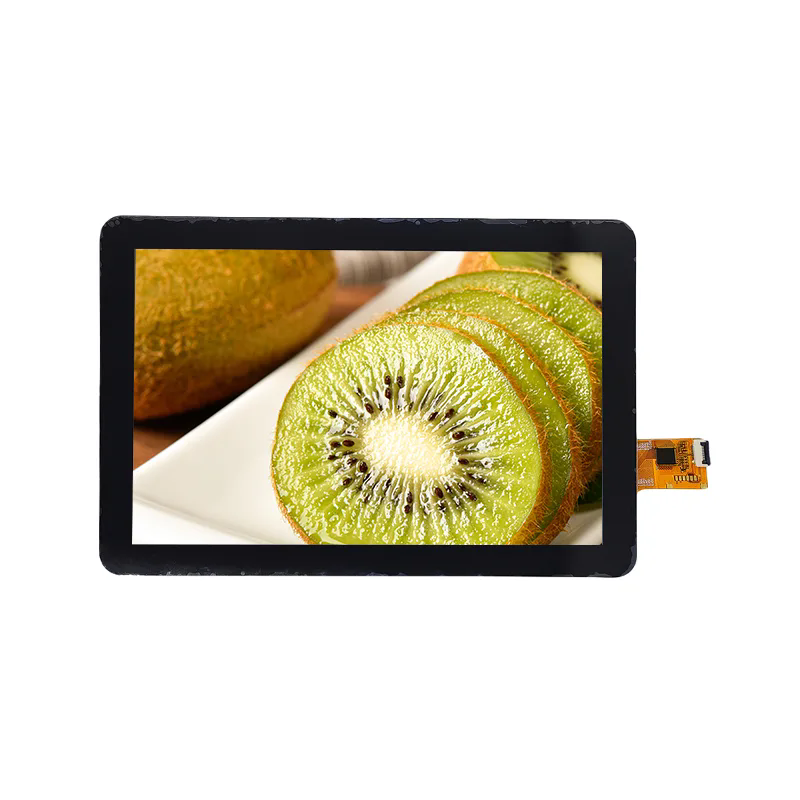
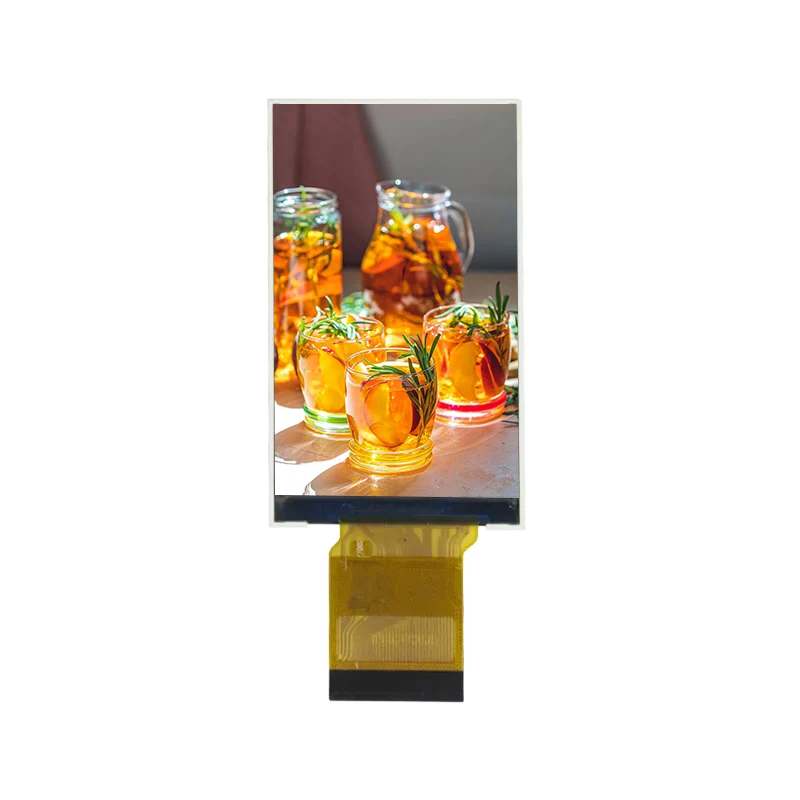
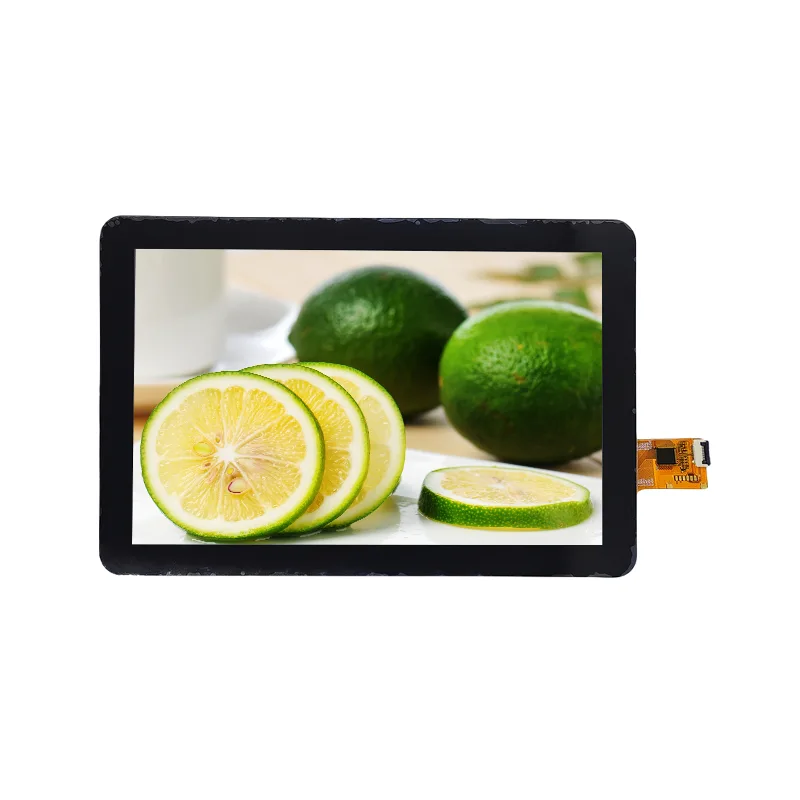
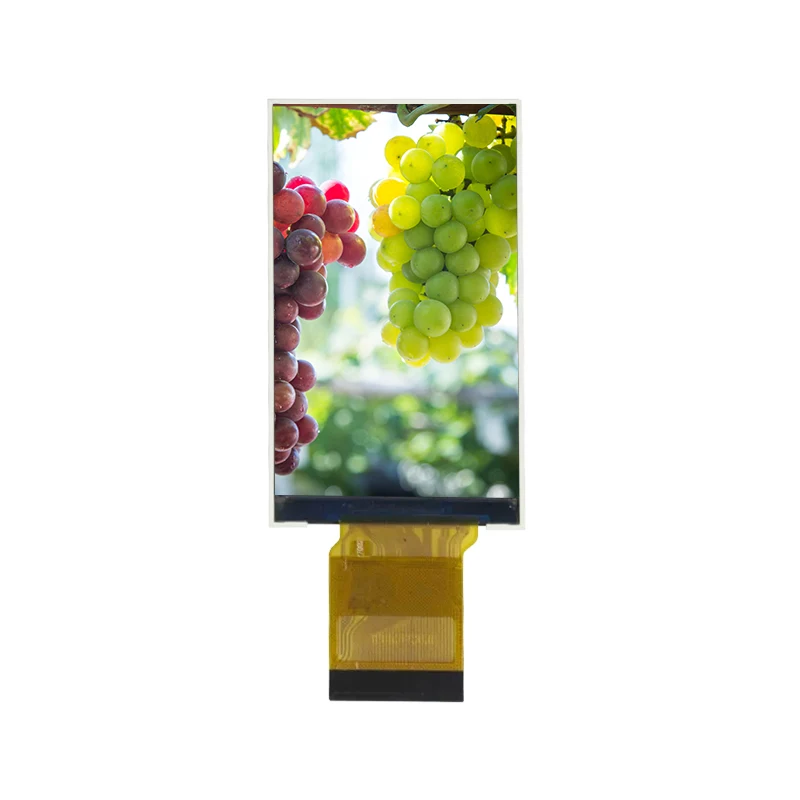
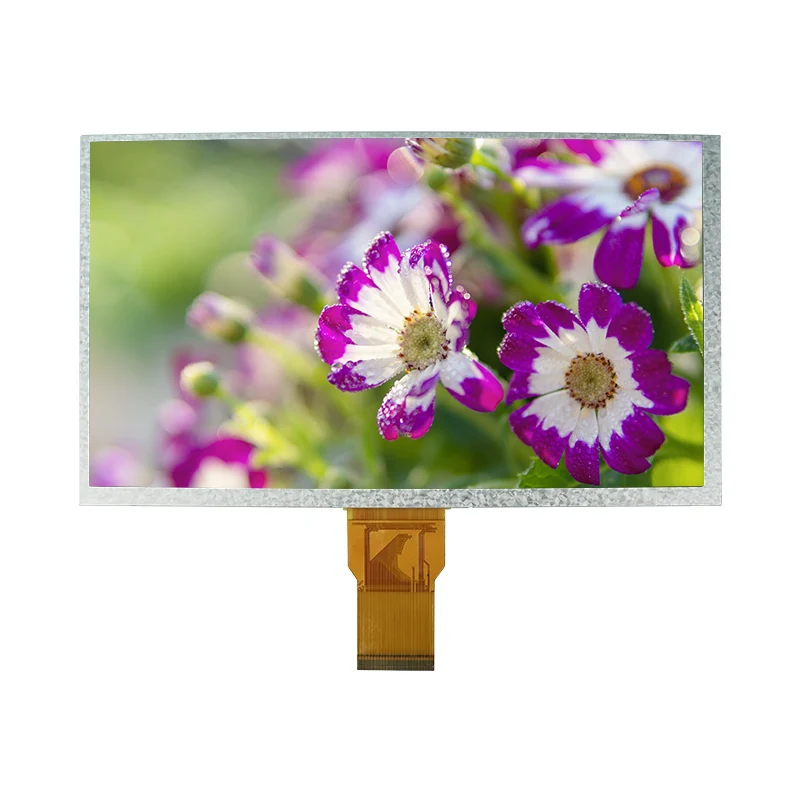
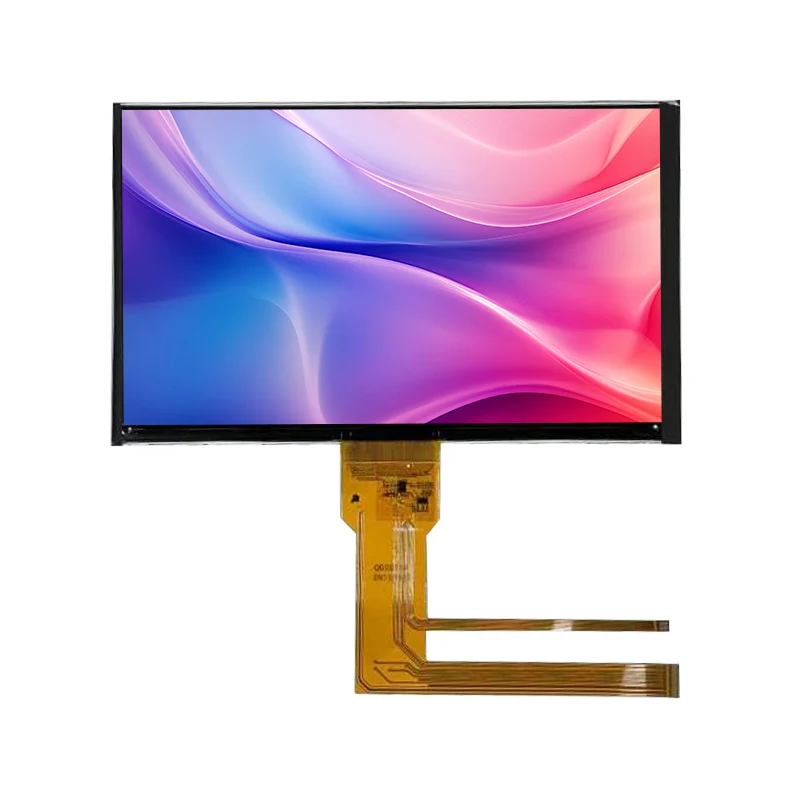
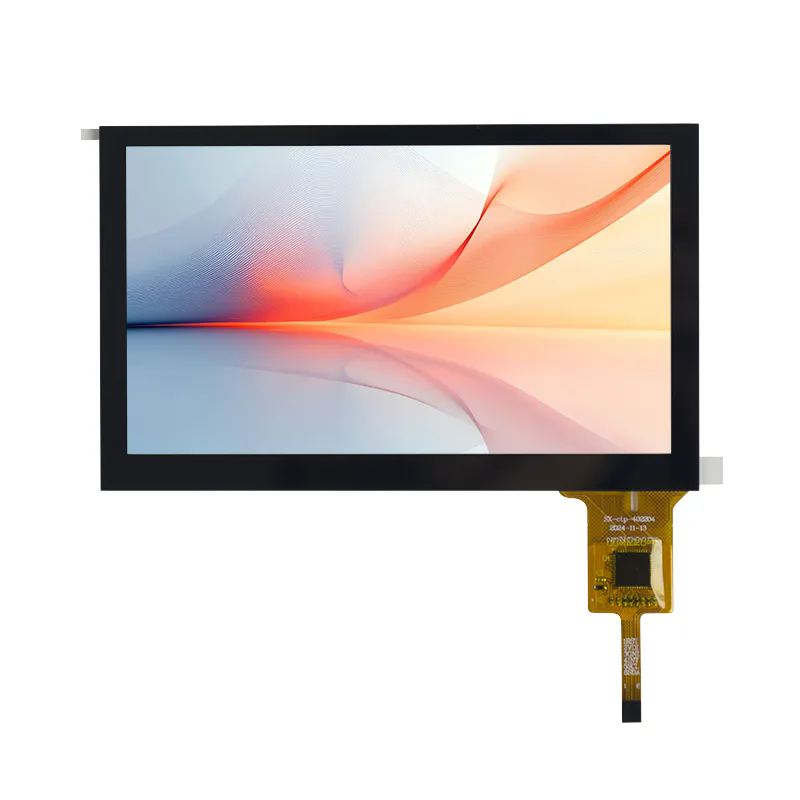
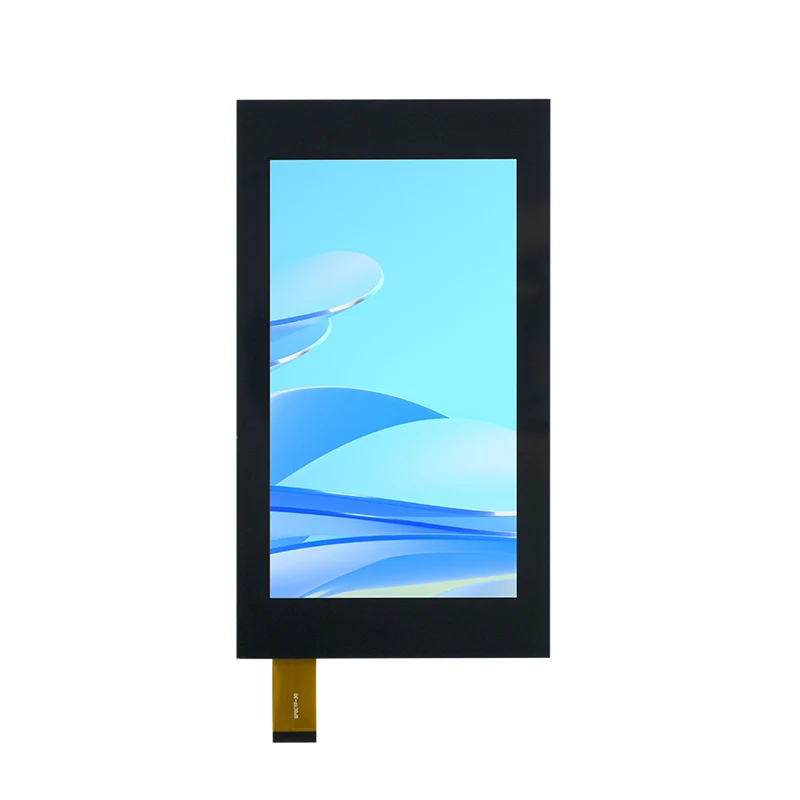
8.0 inch High resolution IPS TFT Small Touch Screen Module


Table of Contents


Overview of Small TFT Touch Screens

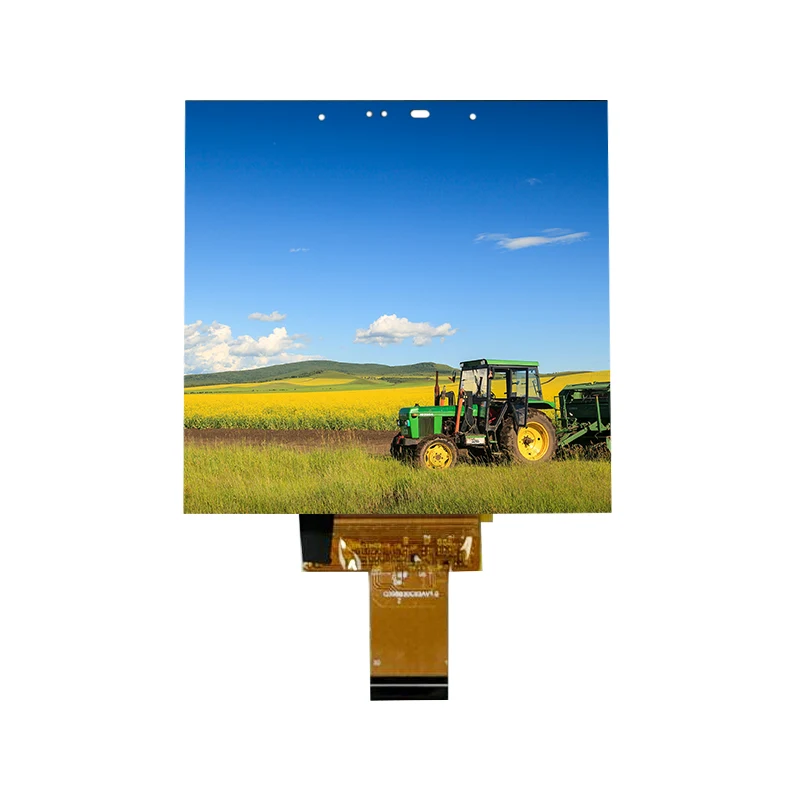
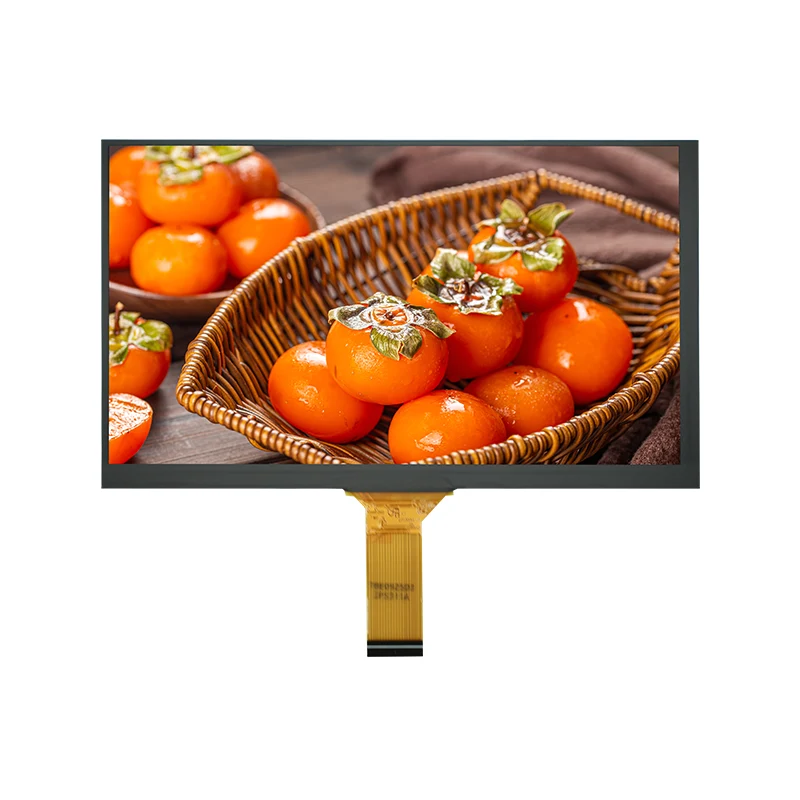
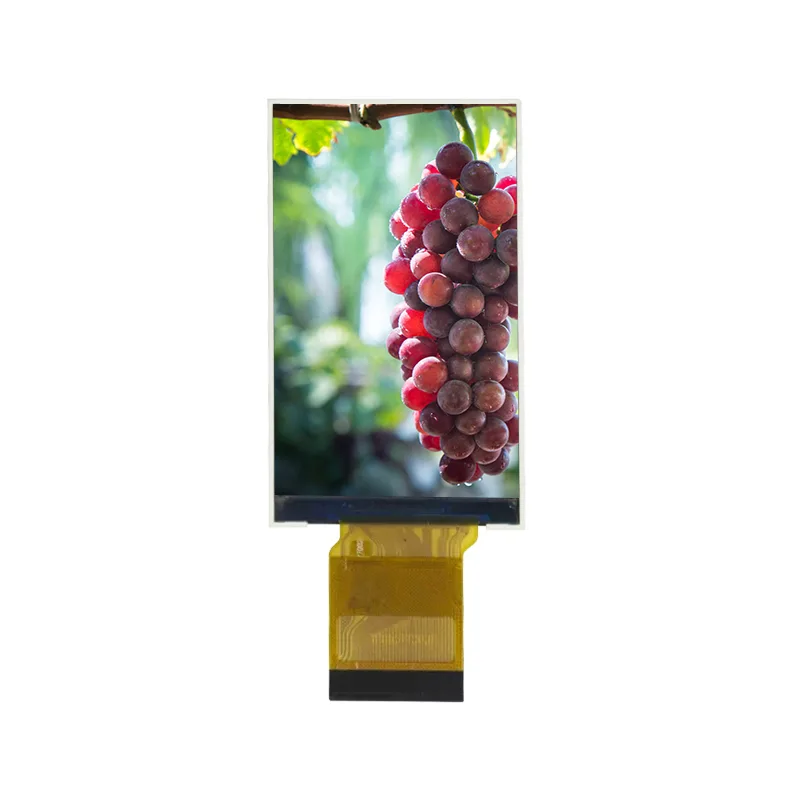
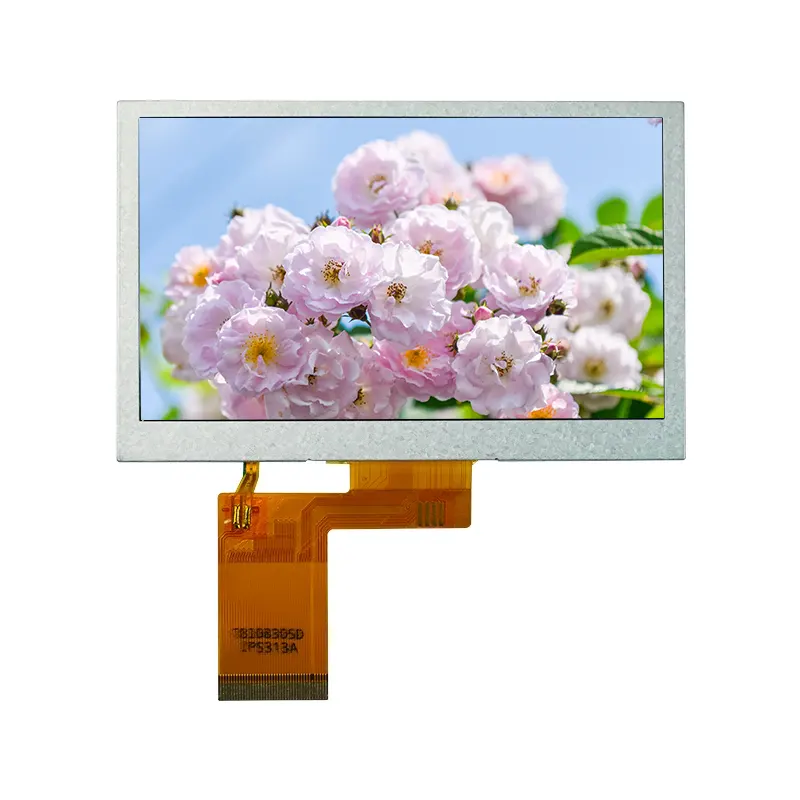
Small TFT touch screens are compact display modules combining high-resolution visual output with responsive touch functionality. TF specializes in producing reliable modules suitable for embedded systems, medical devices, and consumer electronics. These screens allow devices to maximize user interaction without increasing device size, delivering both performance and aesthetic appeal.


Key Features and Advantages

  • Compact Size: Ideal for handheld and portable devices.
  • High Resolution: Sharp images and clear text display for improved usability.
  • Responsive Touch: Capacitive and resistive options for precise input recognition.
  • Durable Construction: Long-lasting, high-reliability design suitable for industrial use.
  • Wide Compatibility: Supports multiple interfaces such as SPI, RGB, and I2C.

Technical Specifications

Parameter Description
Screen Size 1.44" to 5.0"
Resolution 128x128 to 800x480 pixels
Touch Type Capacitive / Resistive / PCAP
Brightness 300–500 cd/m² adjustable
Interface SPI, RGB, I2C
Operating Temperature -20°C to 70°C

Applications in Various Devices

Small TFT touch screens are versatile and widely used across industries. Key applications include:

  • Medical Equipment: Compact displays for portable monitors and diagnostic tools.
  • Industrial Automation: Control panels with responsive touch interfaces for machinery.
  • Consumer Electronics: Smart home devices, wearables, and portable gadgets.
  • Embedded Systems: Compact devices requiring interactive visual feedback.

Tips for Choosing the Right Screen

Selecting the optimal small TFT touch screen requires careful consideration of several factors:

  1. Device Compatibility: Ensure the module supports your device's interface and operating voltage.
  2. Touch Sensitivity: Choose between capacitive or resistive touch depending on the input method.
  3. Environment: Consider operating temperature, brightness requirements, and durability.
  4. Size and Resolution: Balance screen dimensions with required visual clarity.
  5. Supplier Reliability: Partner with manufacturers like TF for consistent quality and support.

Frequently Asked Questions

Q1: What is the difference between capacitive and resistive touch screens?
A1: Capacitive touch screens detect touch through electrical signals from the user's fingers, offering multi-touch functionality. Resistive screens respond to pressure, suitable for stylus or gloved use.

Q2: Can small TFT touch screens operate in extreme temperatures?
A2: Yes, many small TFT modules, including those from TF, are designed to function within a range of -20°C to 70°C, making them suitable for industrial and outdoor applications.

Q3: How do I interface a TFT touch screen with my microcontroller?
A3: Small TFT modules support multiple interfaces, including SPI, RGB, and I2C. The choice depends on your device's capabilities and required data transfer speed.


Conclusion and Contact

Small TFT touch screens provide an ideal combination of compact design, responsive input, and high-resolution display, making them essential in modern electronics. TF ensures high-quality modules that meet diverse application needs. To explore the perfect solution for your project or to discuss customization options, contact us today and experience the TF difference.

Related News
Leave me a message
X
We use cookies to offer you a better browsing experience, analyze site traffic and personalize content. By using this site, you agree to our use of cookies. Privacy Policy
Reject Accept