Inspiration

How Does a PCAP Touch Screen Module Improve Device Interaction?

2026-01-14 0 Leave me a message

Summary: PCAP (Projected Capacitive) touch screen modules have revolutionized device interfaces across smartphones, tablets, industrial controls, and other electronic devices. This article explains how PCAP technology works, the benefits it provides over traditional touchscreens, design considerations, and solutions to common challenges. By understanding these aspects, businesses and developers can make informed choices when selecting touch screen modules for their products.

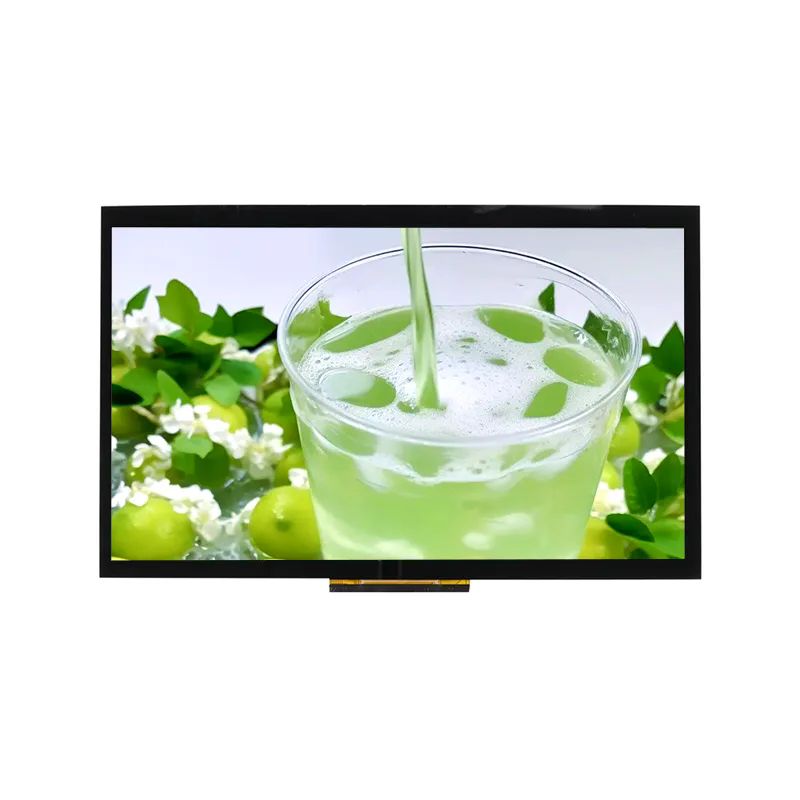
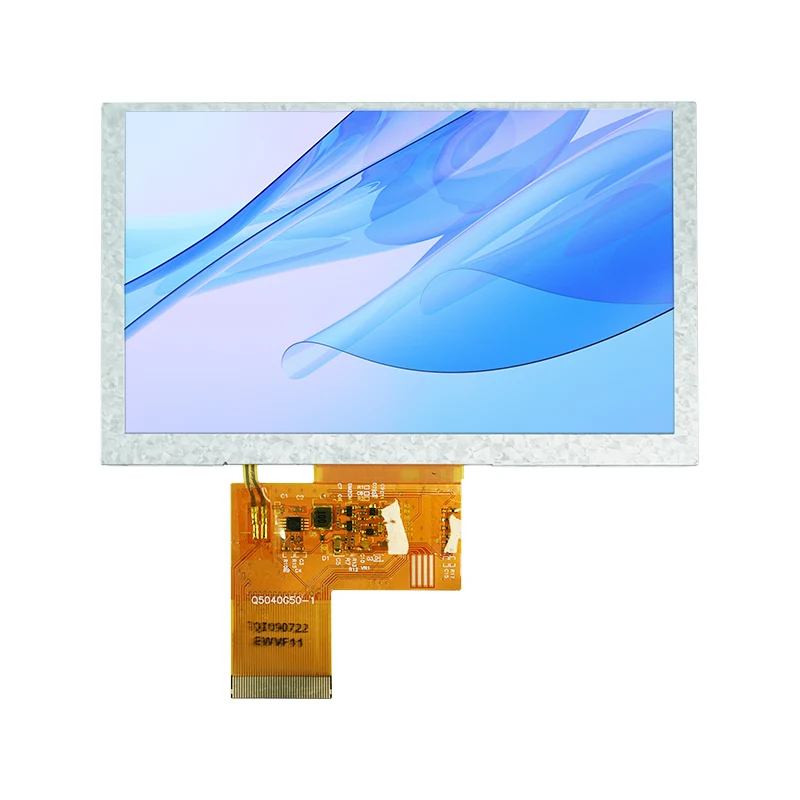
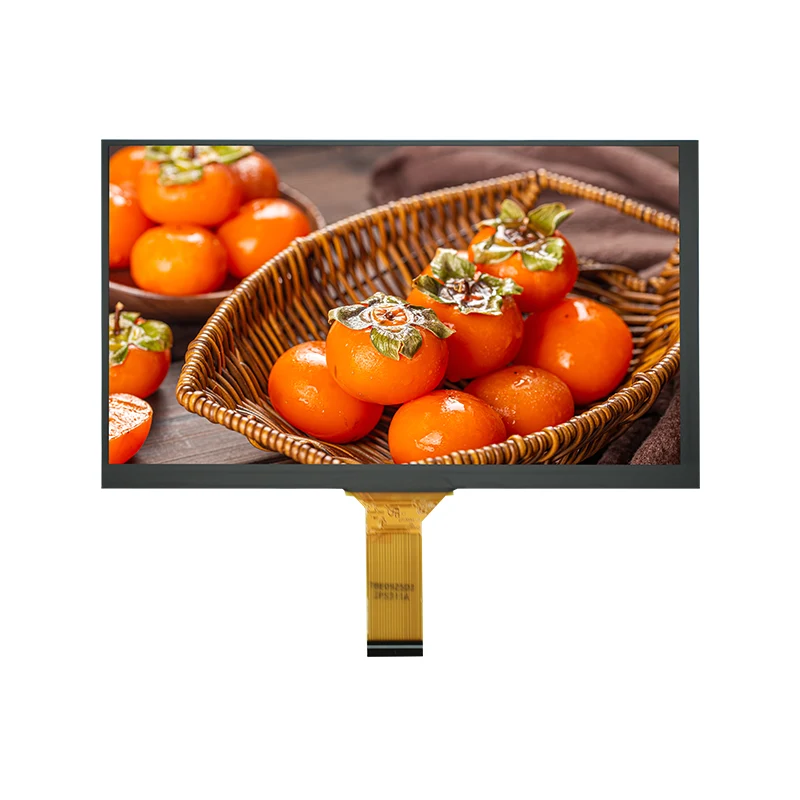
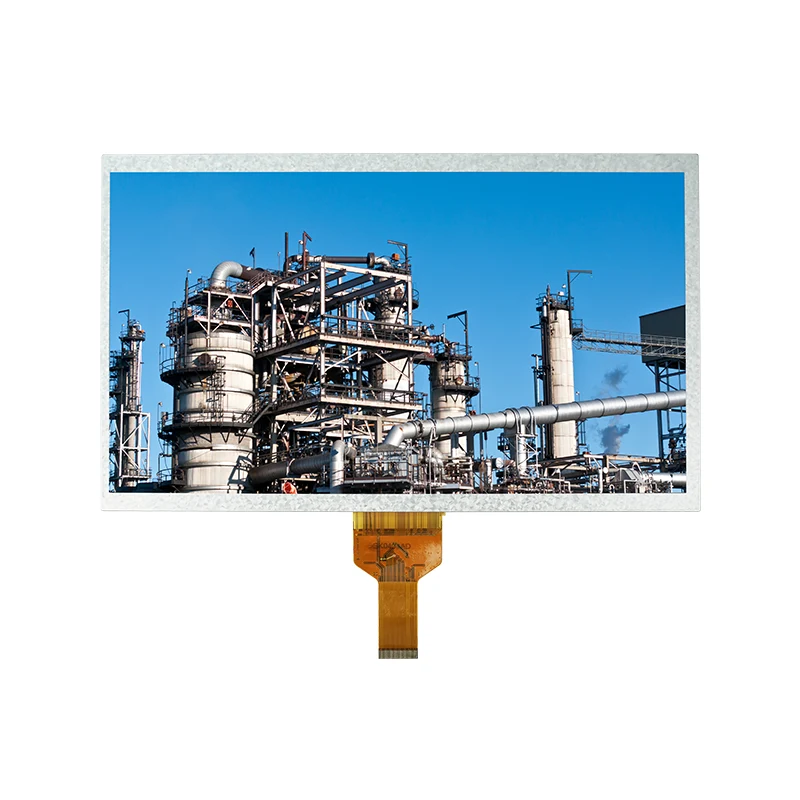
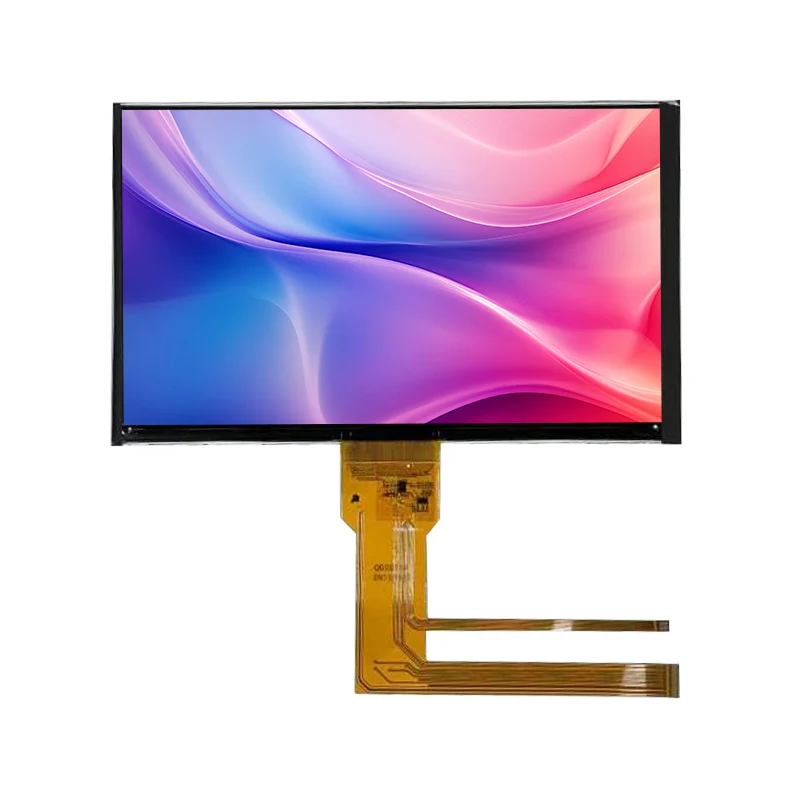
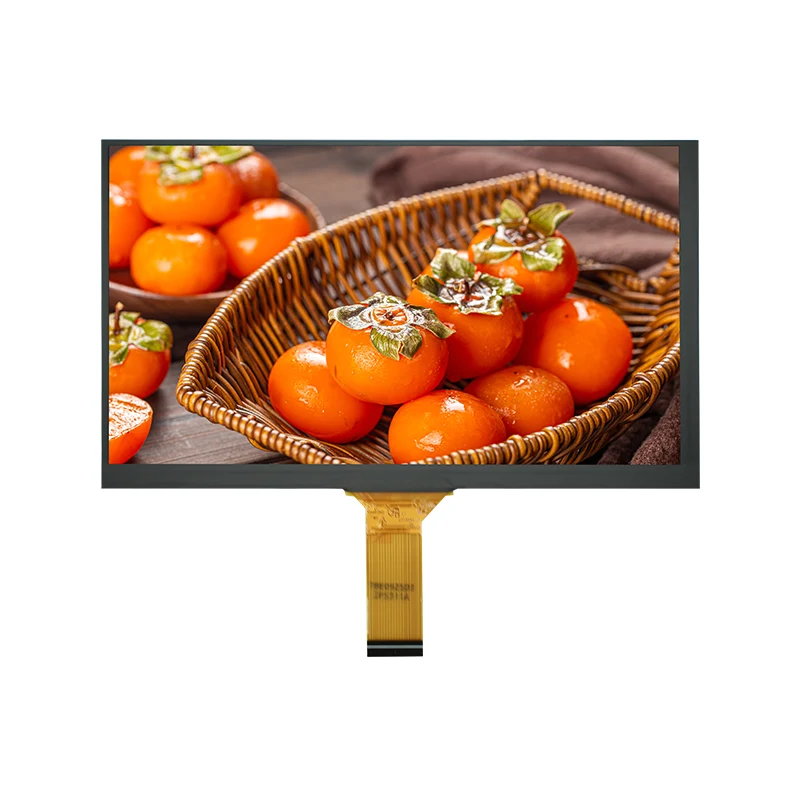
10.1 inch Industrial PCAP Touch Screen Module


Table of Contents


Introduction to PCAP Touch Screen Modules

PCAP touch screen modules are built using projected capacitive technology, enabling multi-touch functionality and precise input detection. Unlike resistive touchscreens, which rely on pressure, PCAP modules detect changes in electrical charge across a conductive layer. This allows for smoother gestures, enhanced responsiveness, and higher durability, making them suitable for both consumer electronics and industrial applications.

  • Applications: smartphones, tablets, industrial panels, kiosks, automotive displays
  • Compatibility: works with gloves and stylus depending on the design
  • Durability: resistant to scratches and wear due to glass overlay

How PCAP Technology Works

The core principle of PCAP touch screens is the detection of capacitance changes. Each touch on the glass surface alters the local electric field, which is interpreted by the controller as a touch event.

Component Function
Glass Substrate Provides protective surface and supports conductive layer
ITO Layer Transparent conductive layer that senses touch
Controller IC Processes input data and interprets touch gestures
Firmware/Software Communicates touch events to device operating system

PCAP modules can detect multiple touch points simultaneously, supporting complex gestures like pinch-to-zoom and swipe. Advanced models offer water resistance and high optical clarity for outdoor use.


Advantages of Using PCAP Modules

  • High Sensitivity: Minimal pressure required for accurate touch detection.
  • Multi-Touch Support: Enables gestures like zooming, rotating, and scrolling.
  • Durable Design: Glass overlay protects against scratches and wear.
  • Seamless Integration: Compatible with various display sizes and devices.
  • Enhanced User Experience: Smooth interaction and fast response improve satisfaction.

These advantages make PCAP modules ideal for high-end consumer electronics, industrial equipment, and public terminals, where reliability and responsiveness are crucial.


Design Considerations for PCAP Integration

When integrating a PCAP touch module, developers should consider the following factors to optimize performance and user experience:

  1. Controller Selection: Ensure the controller supports the number of touch points required.
  2. Display Size and Aspect Ratio: Match module dimensions with device design.
  3. Environmental Conditions: Consider temperature, humidity, and water exposure.
  4. Firmware Calibration: Accurate calibration is essential for precise touch detection.
  5. EMI Shielding: Protect against interference for stable operation.

Common Issues and Solutions

Even with advanced PCAP technology, some challenges can arise. Understanding these issues helps ensure smooth integration and operation:

  • Ghost Touches: Caused by environmental interference; solved by shielding and firmware adjustment.
  • Dead Zones: Often due to poor calibration or manufacturing defects; can be corrected by recalibration or replacement.
  • Glove or Stylus Compatibility: Requires specific controller support or additional conductive layers.
  • Signal Noise: Mitigated with proper grounding and EMI management.

Proper testing during prototyping and production can prevent most operational issues, ensuring high reliability in the final product.


Frequently Asked Questions

Q1: Can PCAP touch screens work outdoors in direct sunlight?
A1: Yes, many PCAP modules are designed with high brightness displays and optical bonding for outdoor readability.
Q2: How many touch points can a PCAP module typically support?
A2: Most modern PCAP modules support 5 to 10 simultaneous touch points, while advanced industrial models can support more.
Q3: Are PCAP modules compatible with stylus input?
A3: Some modules are designed for stylus interaction, but standard PCAP modules are optimized for finger input.
Q4: How durable are PCAP screens compared to resistive touchscreens?
A4: PCAP screens with glass overlays are significantly more durable, scratch-resistant, and provide longer lifespan.

Conclusion and Contact

PCAP touch screen modules offer a combination of sensitivity, durability, and multi-touch functionality that enhances device interaction across various industries. Companies like TF provide reliable PCAP solutions tailored to both consumer and industrial applications. For detailed product inquiries, pricing information, or customized integration support, contact us today and discover how PCAP modules can transform your devices.

Related News
Leave me a message
X
We use cookies to offer you a better browsing experience, analyze site traffic and personalize content. By using this site, you agree to our use of cookies. Privacy Policy
Reject Accept