Inspiration

How Are Square TFT LCD Displays Shaping Industrial and Commercial Interfaces?

2026-01-08 0 Leave me a message

Abstract

Square TFT LCD Displays are widely deployed across industrial control systems, medical equipment, smart terminals, and commercial electronics where balanced proportions, stable performance, and precise image control are required. This article provides a structured and technically grounded examination of Square TFT LCD Display technology, focusing on product fundamentals, technical parameters, application logic, integration considerations, and long-term development direction. Through a question-driven narrative and professional analysis, the content supports informed procurement and engineering decision-making while aligning with global search behavior and reading habits.

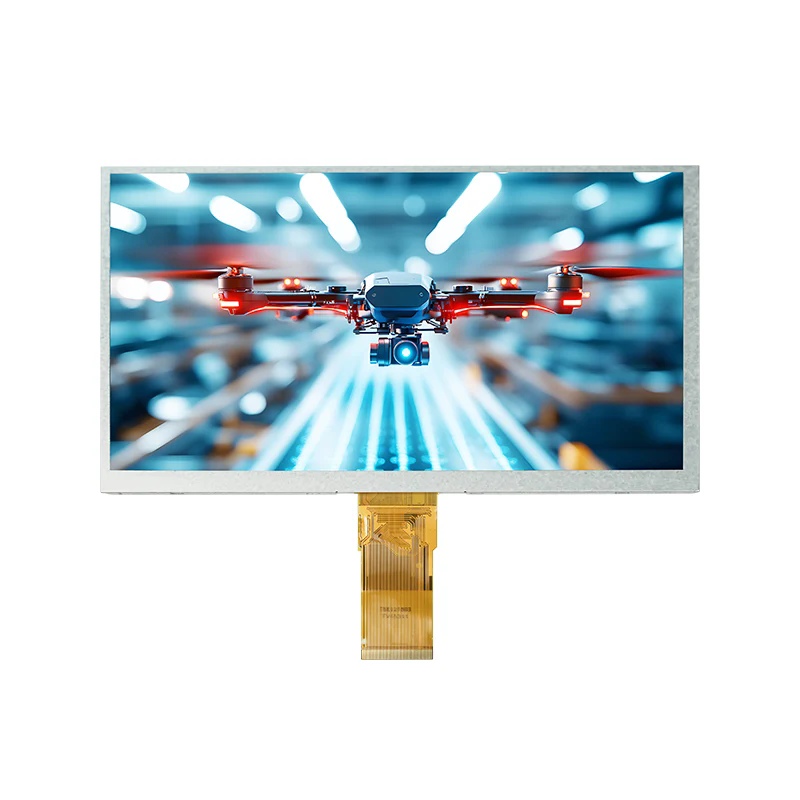
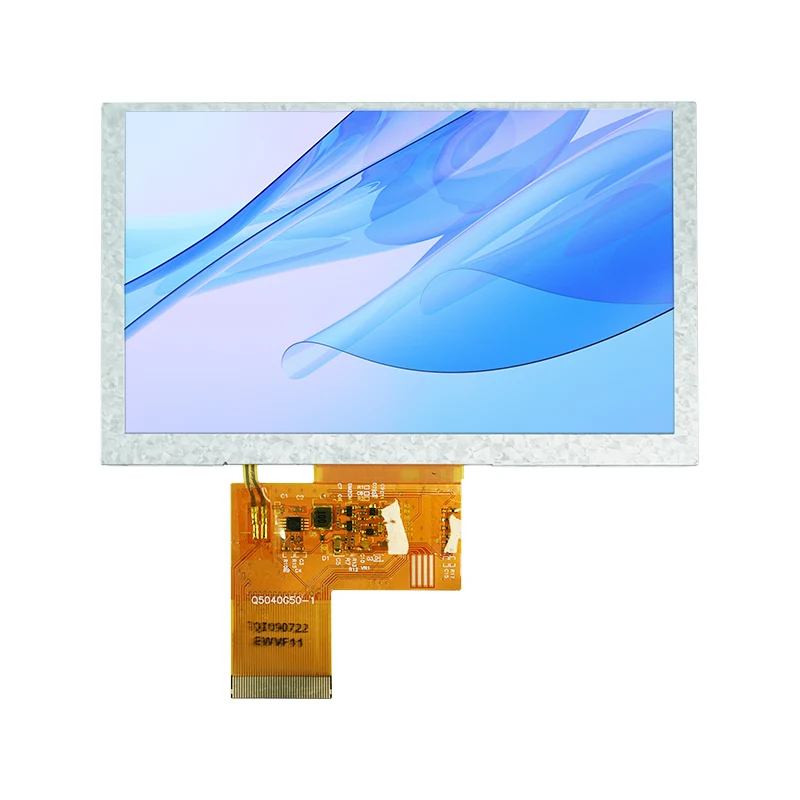
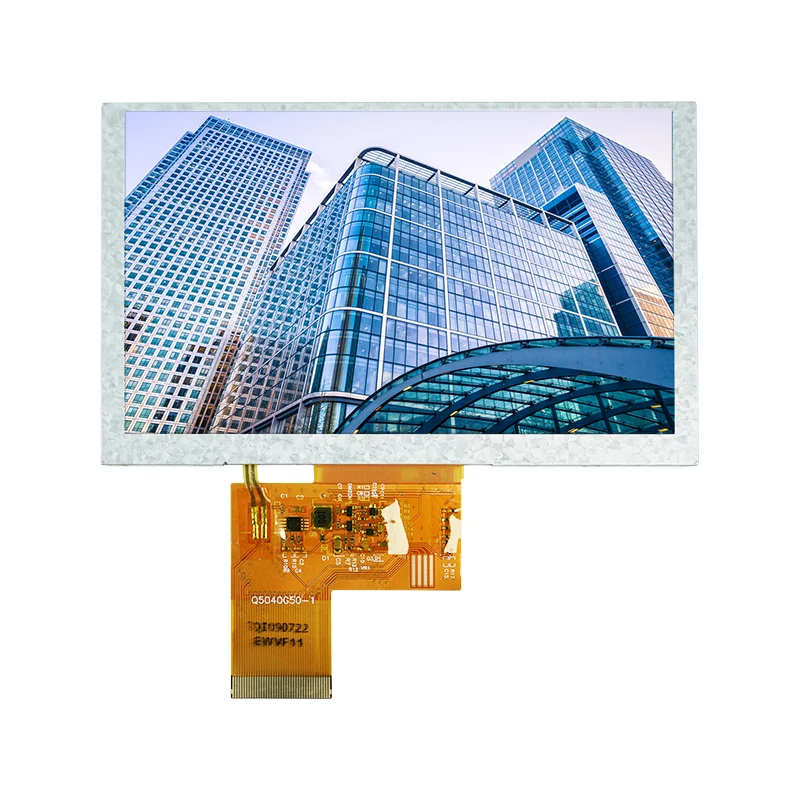
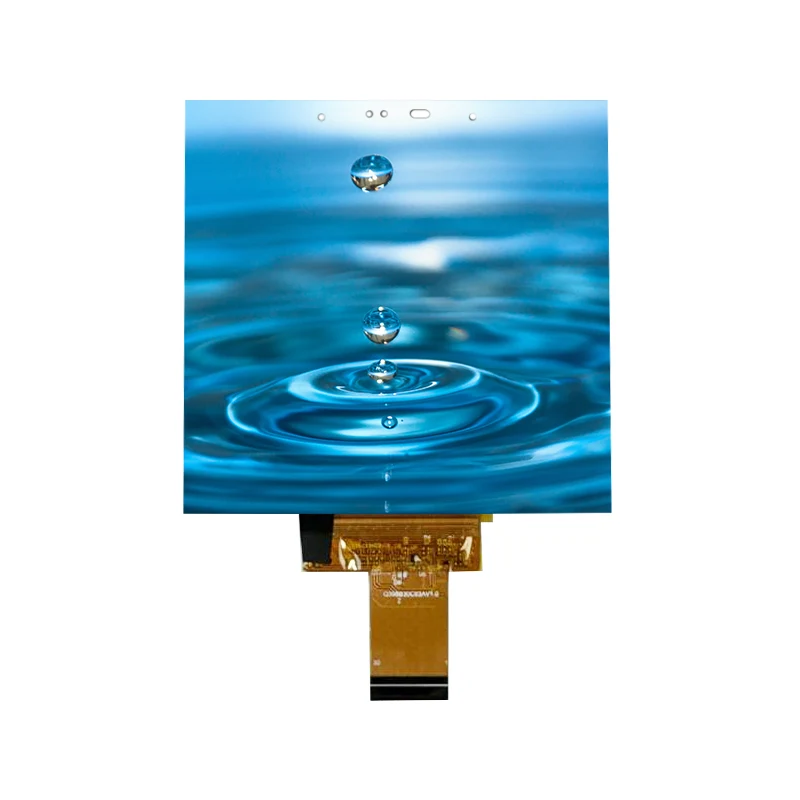
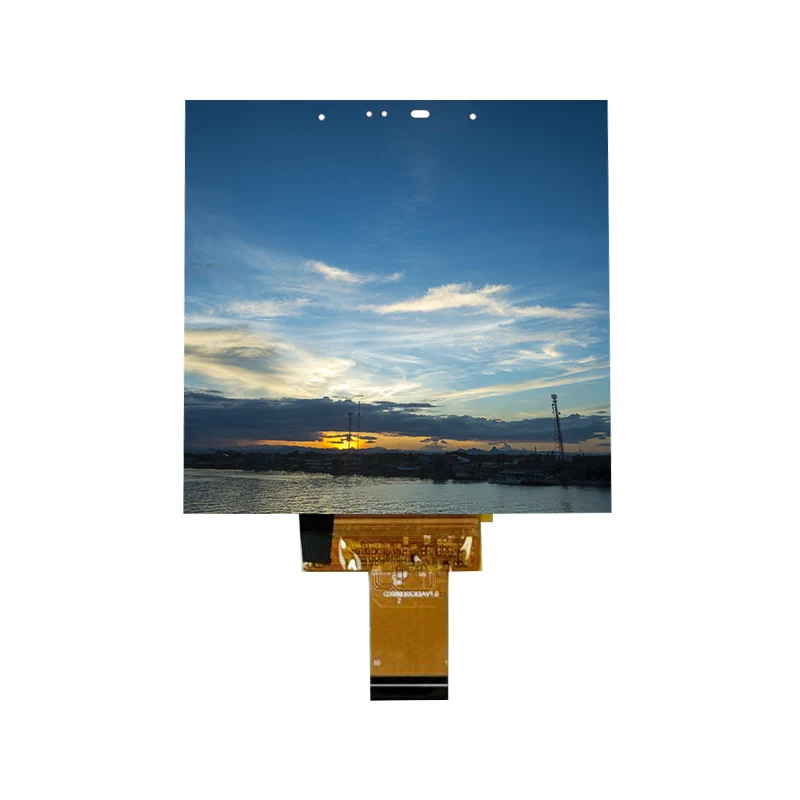
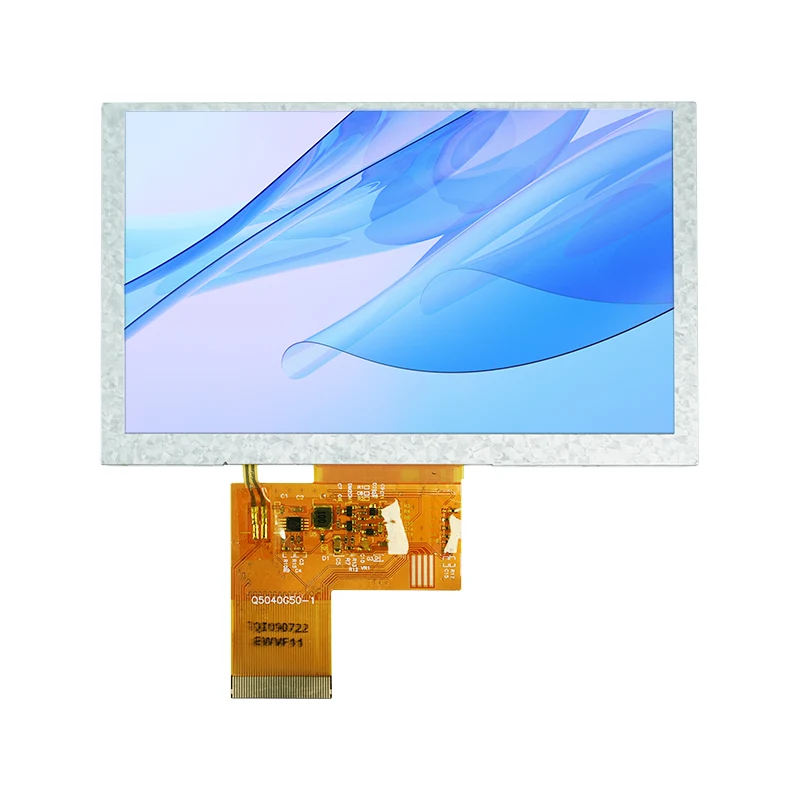
9.0' HMI Square TFT LCD Display Module


Table of Contents


Outline

The discussion is organized into four major nodes. The first node explains operating principles and structural composition. The second node focuses on parameters and performance metrics. The third node examines application scenarios and system integration logic. The fourth node evaluates development direction and technology alignment. A structured FAQ section addresses recurring technical and commercial questions.


How Do Square TFT LCD Displays Work at the Panel Level?

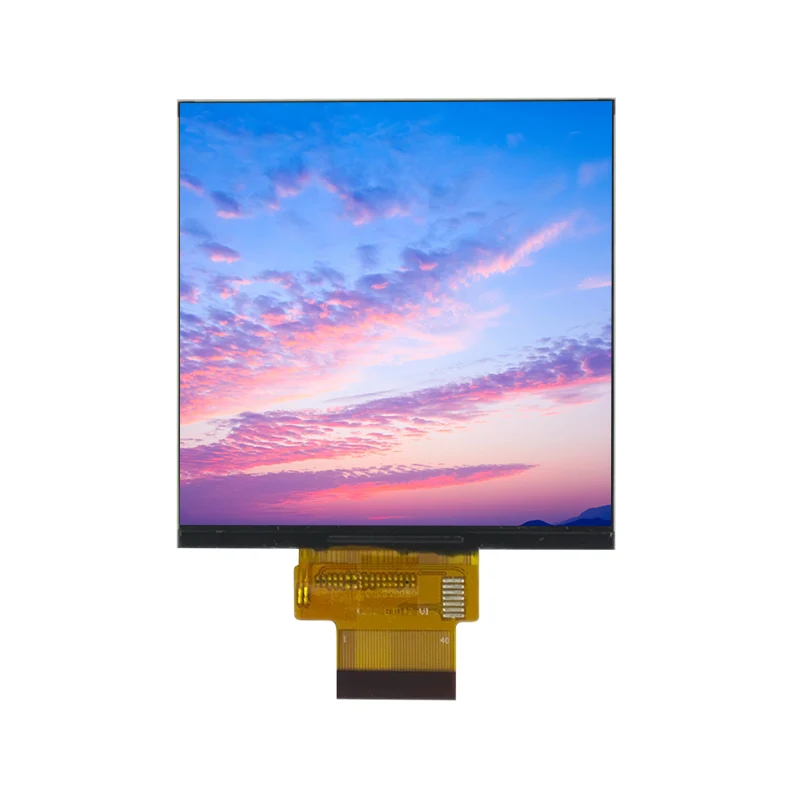
A Square TFT LCD Display is a flat-panel display that uses thin-film transistor (TFT) technology to actively control each pixel within a square aspect ratio layout, commonly 1:1 or near-square proportions such as 4:3. Unlike elongated or widescreen formats, square displays prioritize visual balance, symmetrical interface design, and efficient information density.

At the panel level, the display consists of multiple stacked functional layers, including a TFT glass substrate, liquid crystal layer, color filter substrate, backlight unit, and polarizers. Each pixel is controlled by an individual transistor, enabling precise voltage regulation and stable image output even under dynamic content conditions.

Square TFT LCD Displays are particularly valued in applications where graphical elements, gauges, icons, and numeric data must be presented in a compact and evenly distributed layout. The square geometry simplifies UI design for embedded systems and reduces unused screen areas.

From an electrical perspective, TFT addressing allows fast response times and consistent refresh rates. Compared with passive matrix displays, TFT-based square panels deliver improved contrast stability, reduced crosstalk, and better color consistency across the screen surface.

Mechanical integration is also influenced by the square format. Enclosures, bezels, and mounting frames benefit from symmetrical dimensions, which simplifies tooling and supports standardized module replacement in industrial environments.


How Are Square TFT LCD Display Specifications Defined and Compared?

Technical specifications define how a Square TFT LCD Display performs under real-world conditions. These parameters are critical for engineers, system integrators, and procurement teams evaluating compatibility, longevity, and total cost of ownership.

Below is a consolidated parameter table illustrating common configuration ranges for Square TFT LCD Displays used in industrial and commercial systems.

Parameter Typical Range
Screen Size 1.44 inch – 12.1 inch
Resolution 128×128 to 1024×1024
Aspect Ratio 1:1 or 4:3
Brightness 300 – 1200 cd/m²
Contrast Ratio 500:1 – 1200:1
Viewing Angle Up to 178° (IPS)
Interface Options RGB, SPI, MCU, LVDS, MIPI
Operating Temperature -20°C to +70°C (extended options available)
Backlight Type White LED

These parameters should not be evaluated in isolation. Resolution must align with processing capability, while brightness selection depends on ambient lighting conditions. Interface choice affects system latency and wiring complexity, and operating temperature tolerance determines suitability for outdoor or industrial deployment.

Square TFT LCD Displays often support customization at the module level, including touch integration, cover glass bonding, and firmware configuration, allowing system-level optimization without redesigning the core display architecture.


How Are Square TFT LCD Displays Applied Across Key Industries?

Square TFT LCD Displays serve a diverse range of industries due to their balanced form factor and predictable performance characteristics. Their application logic is driven by interface clarity, mechanical symmetry, and long-term reliability.

In industrial automation, square displays are commonly used in human-machine interfaces (HMIs), control panels, and diagnostic terminals. The square layout accommodates meters, alerts, and parameter blocks without excessive scaling or distortion.

Medical devices leverage square TFT LCD Displays in patient monitors, portable diagnostic tools, and laboratory instruments. The format supports clean information zoning, which is essential for readability and regulatory compliance.

Commercial and retail equipment, including POS systems, ticketing kiosks, and access control terminals, utilize square displays for icon-driven interfaces and multilingual content presentation. The balanced geometry simplifies multilingual UI scaling.

In transportation and logistics, square TFT LCD Displays appear in vehicle dashboards, handheld scanners, and fleet management terminals. Their robustness and predictable layout support fast information recognition under motion or vibration.

Across these sectors, integration considerations include EMI resistance, long-term supply stability, and firmware compatibility. Square TFT LCD Displays are often selected for programs requiring consistent availability over extended product lifecycles.


How Will Square TFT LCD Displays Evolve with Interface and System Demands?

The evolution of Square TFT LCD Displays is closely linked to broader trends in embedded systems, industrial digitization, and human-centered interface design. As systems become more interactive, displays must balance performance, power efficiency, and adaptability.

Higher pixel density within square formats is enabling more detailed graphical interfaces without increasing screen size. This supports compact device design while improving information richness.

Advancements in panel technology, such as improved IPS structures and enhanced backlight efficiency, are extending viewing angle stability and reducing power consumption. These improvements align with sustainability and mobile deployment requirements.

Integration with capacitive touch, optical bonding, and hardened cover materials is becoming standard, allowing square displays to function as primary interaction surfaces rather than passive output components.

From a supply chain perspective, modular square TFT LCD Display platforms are gaining importance. Standardized footprints and interface protocols reduce redesign costs and improve cross-product compatibility.

As embedded AI and edge computing expand, square displays will continue to serve as reliable visualization endpoints, translating complex system states into intuitive, structured visual feedback.


Square TFT LCD Display Common Questions and Answers

Q: How does a Square TFT LCD Display differ from a rectangular TFT display?
A: A square display prioritizes symmetrical layout and balanced information distribution, reducing unused screen areas and simplifying UI design for embedded and industrial systems.

Q: How is interface compatibility determined for Square TFT LCD Displays?
A: Interface selection depends on controller capability, data bandwidth requirements, and system architecture. Common interfaces include RGB for high refresh needs and SPI or MCU for compact, low-pin designs.

Q: How does operating temperature affect Square TFT LCD Display performance?
A: Temperature impacts liquid crystal response time and backlight efficiency. Industrial-grade square displays are engineered with extended temperature ranges to maintain visibility and stability.

Q: How can Square TFT LCD Displays be customized for specific projects?
A: Customization options include resolution tuning, touch integration, brightness adjustment, interface selection, and mechanical adaptation while retaining a standardized core panel.


Conclusion and Brand Reference

Square TFT LCD Displays continue to play a strategic role in industrial, medical, and commercial systems where interface clarity, structural balance, and long-term availability are critical. Their technical adaptability and standardized geometry support efficient system integration and future scalability.

TF focuses on providing stable and configurable Square TFT LCD Display solutions that align with evolving system requirements across global markets. Through controlled manufacturing, parameter consistency, and application-oriented support, TF contributes to reliable display integration for diverse industries.

For technical consultation, specification alignment, or project-level support regarding Square TFT LCD Displays, contact us to discuss system requirements and deployment objectives.

Related News
Leave me a message
X
We use cookies to offer you a better browsing experience, analyze site traffic and personalize content. By using this site, you agree to our use of cookies. Privacy Policy
Reject Accept