Inspiration

How Is HMI TFT LCD Display Shaping Industrial and Smart Device Interfaces?

2025-12-30 0 Leave me a message

Abstract

HMI TFT LCD Display has become a core interface component across industrial automation, medical equipment, smart terminals, and embedded systems. This article provides a comprehensive, technically structured analysis of HMI TFT LCD Display, focusing on working principles, parameter specifications, application logic, and integration considerations. By using a “how-based” questioning framework, the content aligns with search intent while supporting professional decision-making for engineers, product managers, and procurement specialists. The discussion is organized into four major sections, combining technical depth with SEO-optimized structure to support long-term search visibility.

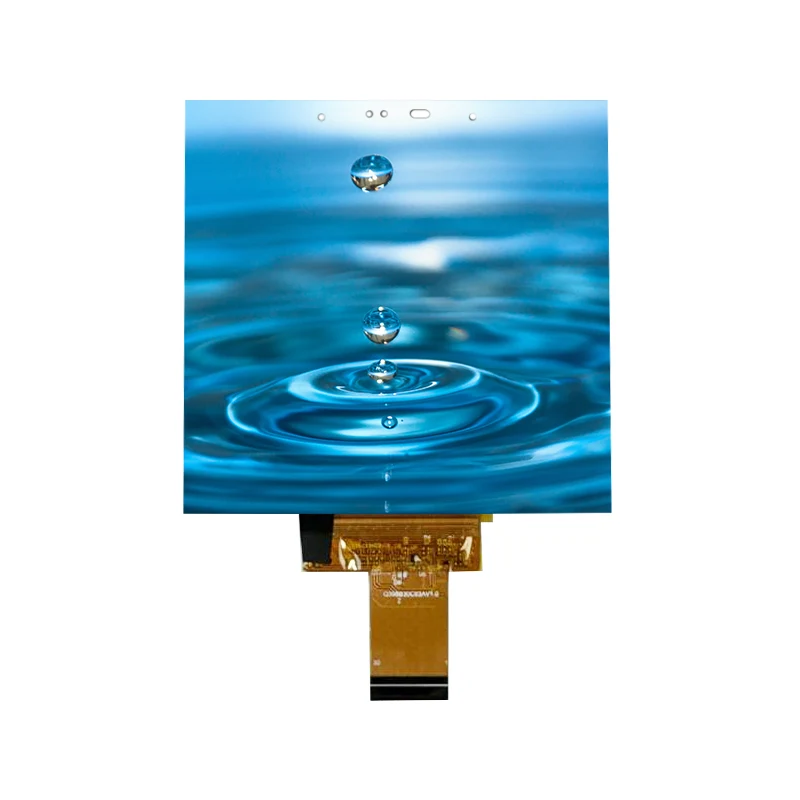
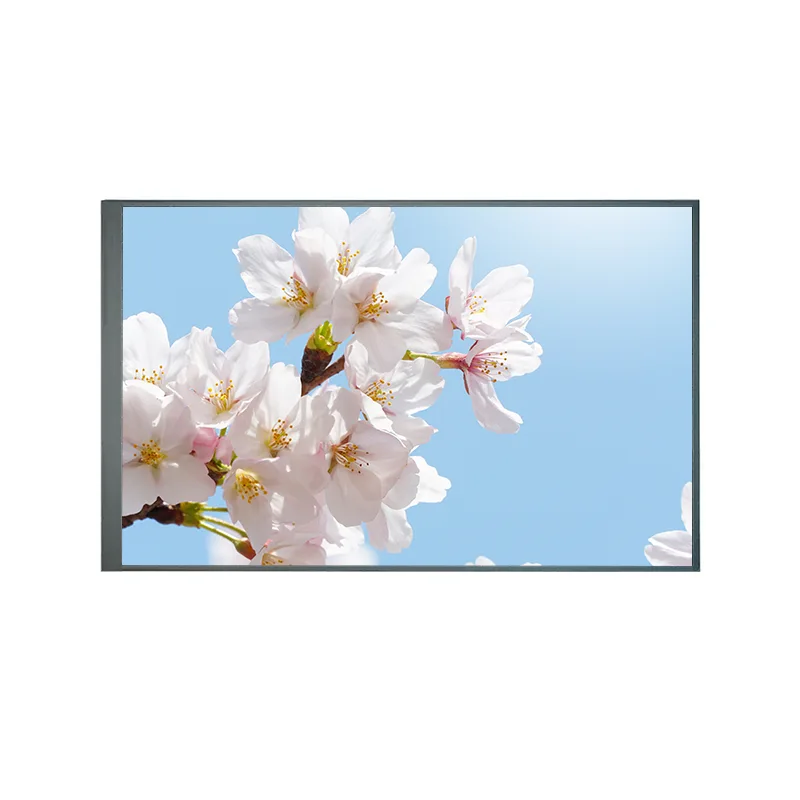
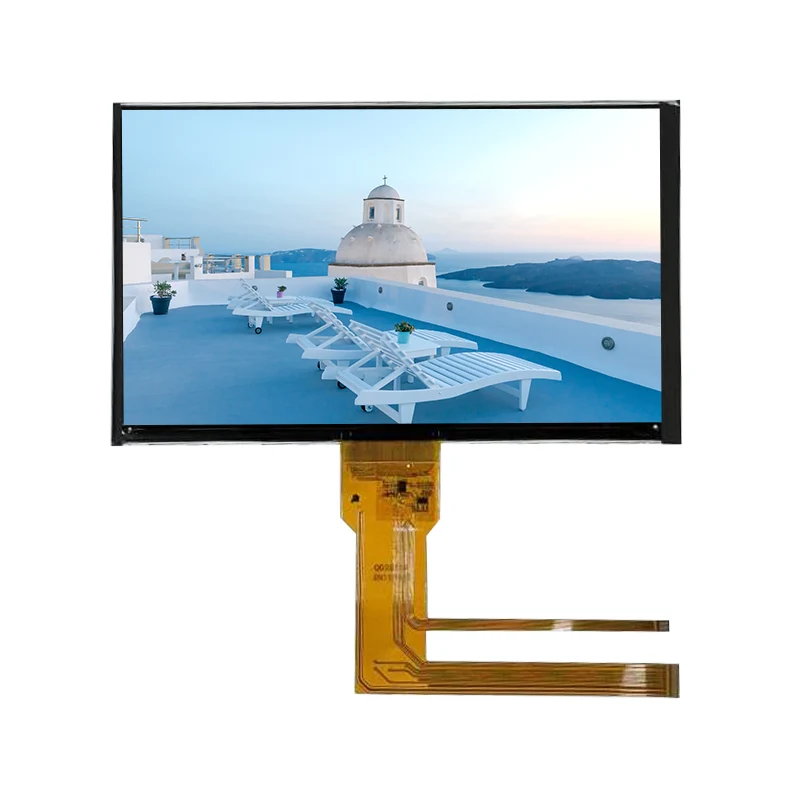
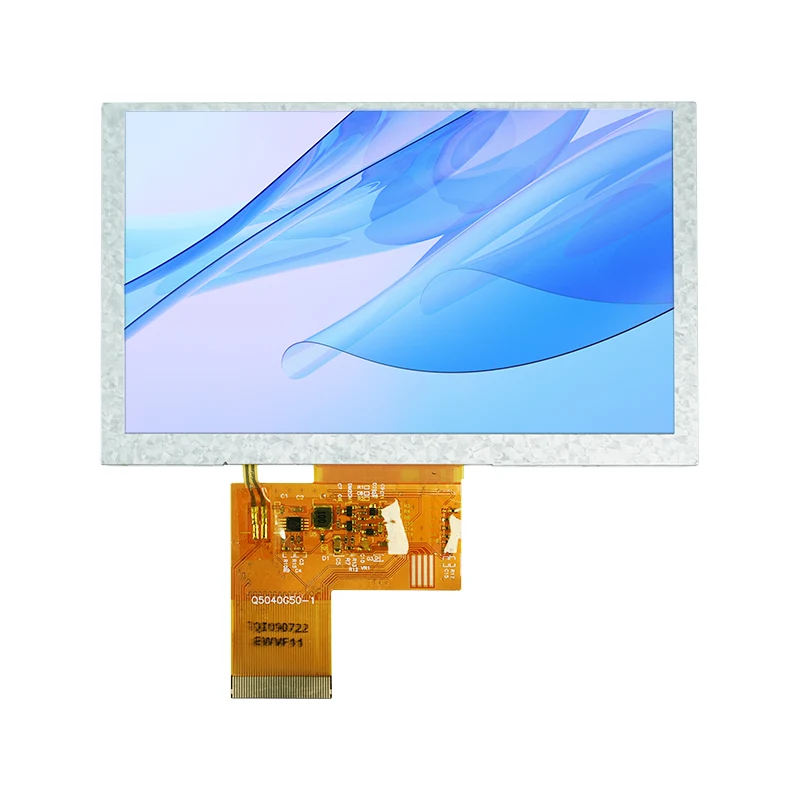
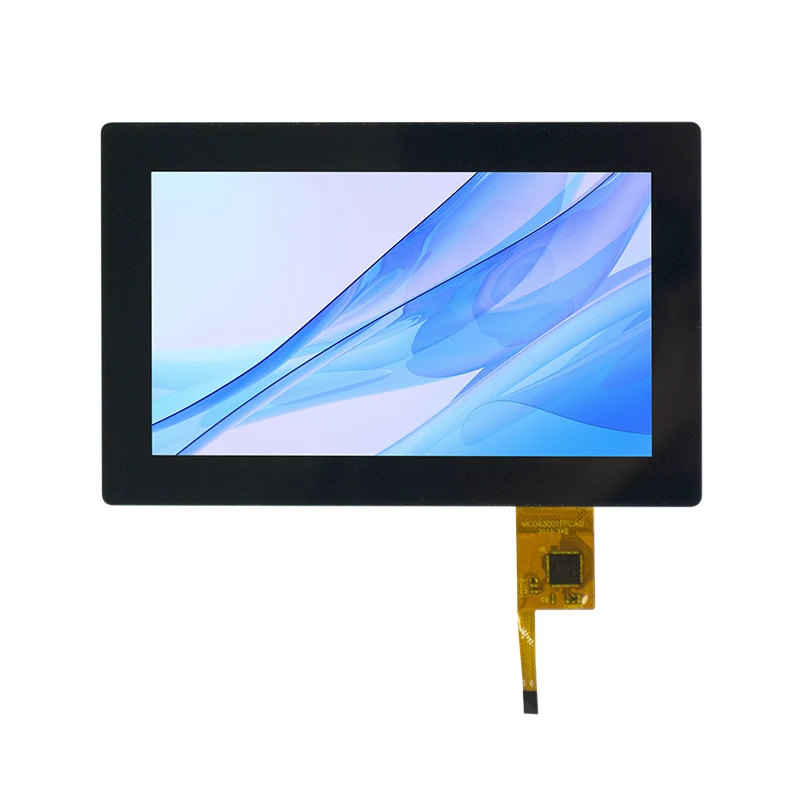
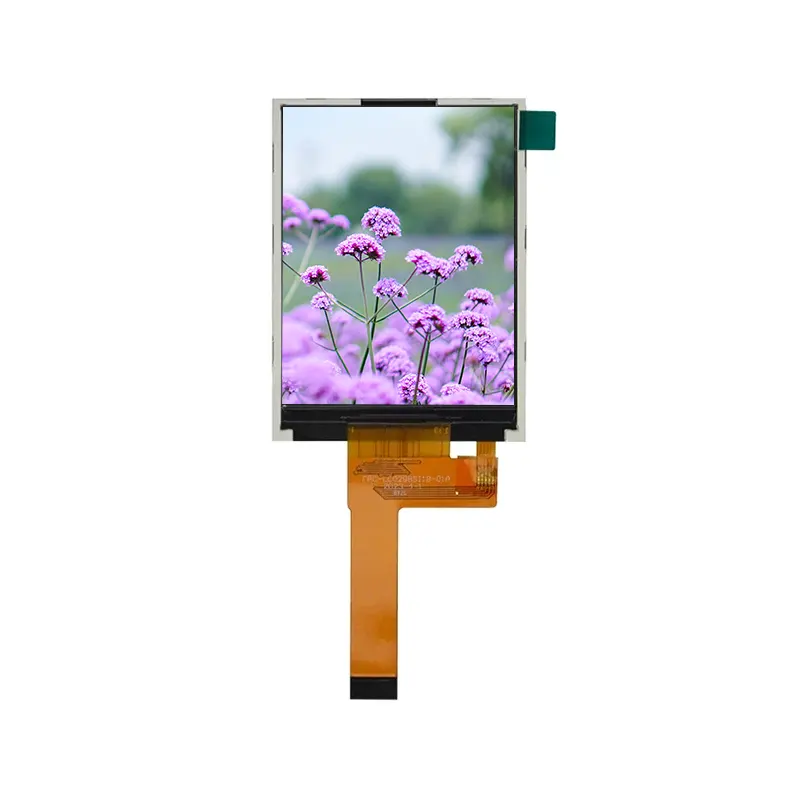
2.8' Transmissive Smart HMI TFT LCD Display Module


Table of Contents


Outline

  • Core concept and operating logic of HMI TFT LCD Display
  • Detailed parameter explanation and specification framework
  • Industry-level application analysis
  • Technology evolution and interface development direction

How Does an HMI TFT LCD Display Work in Real-World Systems?

An HMI TFT LCD Display is a human–machine interface solution that combines thin-film transistor liquid crystal display technology with control logic visualization. It enables users to monitor, interact with, and control machines or digital systems through graphical interfaces. Unlike passive display solutions, TFT-based HMI displays use active matrix addressing, allowing each pixel to be individually controlled for improved response time, brightness consistency, and color accuracy.

In practical deployments, an HMI TFT LCD Display receives signal input from a control unit such as a PLC, MCU, or embedded processor. These signals are translated into visual data through a display controller, which drives the TFT panel. Touch integration—commonly resistive or capacitive—allows bidirectional interaction, enabling operators to input commands directly through the display surface.

The central role of an HMI TFT LCD Display is to simplify complex system data into intuitive visual elements, such as dashboards, status indicators, and control menus. This visual abstraction reduces operational error, improves response efficiency, and supports real-time system management.


How Should HMI TFT LCD Display Parameters Be Evaluated?

Evaluating HMI TFT LCD Display performance requires a structured understanding of its technical parameters. These specifications directly influence readability, durability, and system compatibility. The following table summarizes key parameters commonly used in professional evaluation.

Parameter Description Typical Range
Display Size Diagonal viewing dimension of the active area 2.4” – 15.6”
Resolution Pixel matrix defining image clarity 320×240 to 1920×1080
Brightness Luminance level measured in cd/m² 300 – 1000 cd/m²
Viewing Angle Maximum visible angle without distortion Up to 178°
Interface Type Signal communication protocol RGB, LVDS, MIPI, SPI
Operating Temperature Environmental tolerance range -20°C to +70°C

Beyond raw specifications, system designers should evaluate how these parameters interact with the final application environment. For example, higher brightness is critical for outdoor or high-ambient-light environments, while wide viewing angles support multi-operator use cases.


HMI TFT LCD Display Common Questions and Answers

Q: How does an HMI TFT LCD Display differ from a standard TFT LCD?

A: An HMI TFT LCD Display integrates display hardware with interface logic optimized for human interaction. It is designed to support graphical user interfaces, touch input, and industrial communication requirements, whereas a standard TFT LCD typically functions only as a visual output component.

Q: How is touch technology selected for HMI TFT LCD Display?

A: Touch selection depends on usage conditions. Resistive touch is suitable for industrial environments requiring glove operation, while capacitive touch offers higher sensitivity and multi-touch support for consumer and medical devices.

Q: How does display resolution affect system performance?

A: Higher resolution improves visual clarity and interface complexity but increases processing and memory requirements. The optimal resolution balances readability with system resource constraints.


How Is HMI TFT LCD Display Applied Across Industries?

HMI TFT LCD Display solutions are widely deployed across multiple sectors due to their adaptability and reliability. In industrial automation, they serve as operator panels for production lines, enabling real-time monitoring of machine status, alarms, and performance metrics.

In medical equipment, HMI TFT LCD Displays support diagnostic visualization, patient monitoring, and device configuration. High color accuracy and stable brightness are essential in these environments to ensure reliable data interpretation.

Smart home and IoT devices rely on compact HMI TFT LCD Displays to present intuitive control interfaces. These applications emphasize power efficiency, slim form factor, and modern UI design compatibility.

Transportation systems, including charging stations and onboard control units, use ruggedized HMI TFT LCD Displays designed to withstand vibration, temperature variation, and long operational cycles.


How Will HMI TFT LCD Display Evolve in the Coming Years?

The evolution of HMI TFT LCD Display technology is driven by increasing demand for higher integration, improved visual performance, and smarter interfaces. Advancements in display driver ICs are enabling thinner modules with reduced power consumption.

Interface standardization and compatibility with advanced processors are also shaping development trends. Designers are increasingly focusing on seamless integration with embedded systems and operating platforms.

From a market perspective, demand for customized HMI TFT LCD Display solutions continues to rise. Tailored sizes, interfaces, and mechanical designs support specialized applications, reinforcing the role of flexible manufacturing capabilities.


References

  • IEC Human-Machine Interface Design Standards
  • Display Industry Technology Roadmaps
  • Embedded System Interface Engineering Manuals

As a professional supplier in the display industry, TFT focuses on delivering stable, adaptable, and application-oriented HMI TFT LCD Display solutions. Through consistent parameter control and system-level understanding, TFT supports long-term deployment across industrial and smart device environments.

For project consultation, specification confirmation, or customized display solutions, please contact us to discuss application requirements and technical expectations in detail.

Related News
Leave me a message
X
We use cookies to offer you a better browsing experience, analyze site traffic and personalize content. By using this site, you agree to our use of cookies. Privacy Policy
Reject Accept