Inspiration

How to Choose and Optimize Small TFT Touch Screen Displays?

2025-12-25 0 Leave me a message

Summary: Small TFT Touch Screens are compact, versatile display modules used widely in industrial control, medical equipment, automotive dashboards, and consumer electronics. This article provides an in-depth analysis of selecting the right module, understanding technical specifications, addressing common issues, and optimizing performance for diverse applications. 

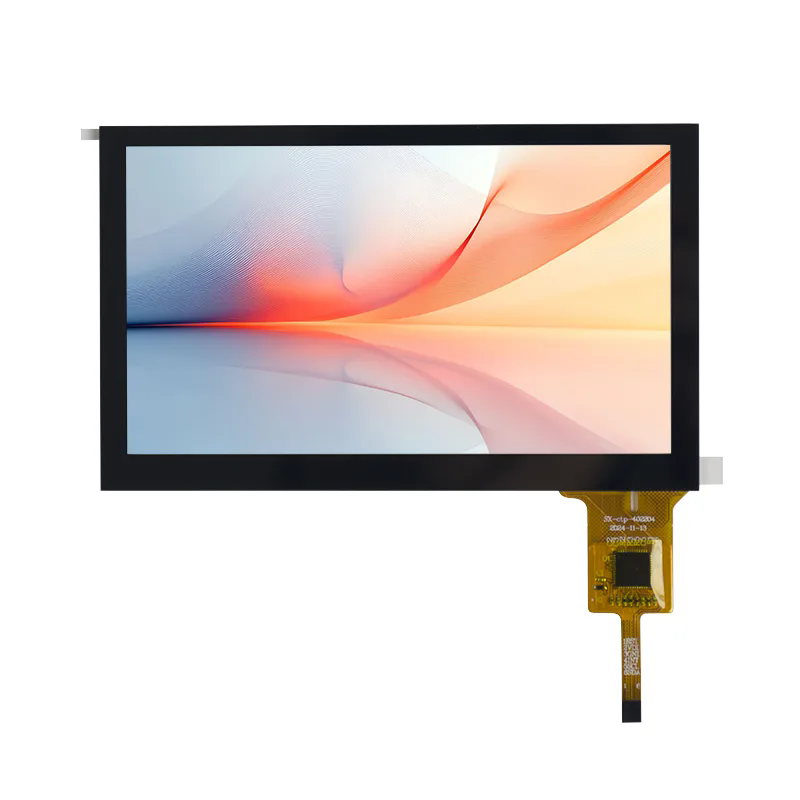
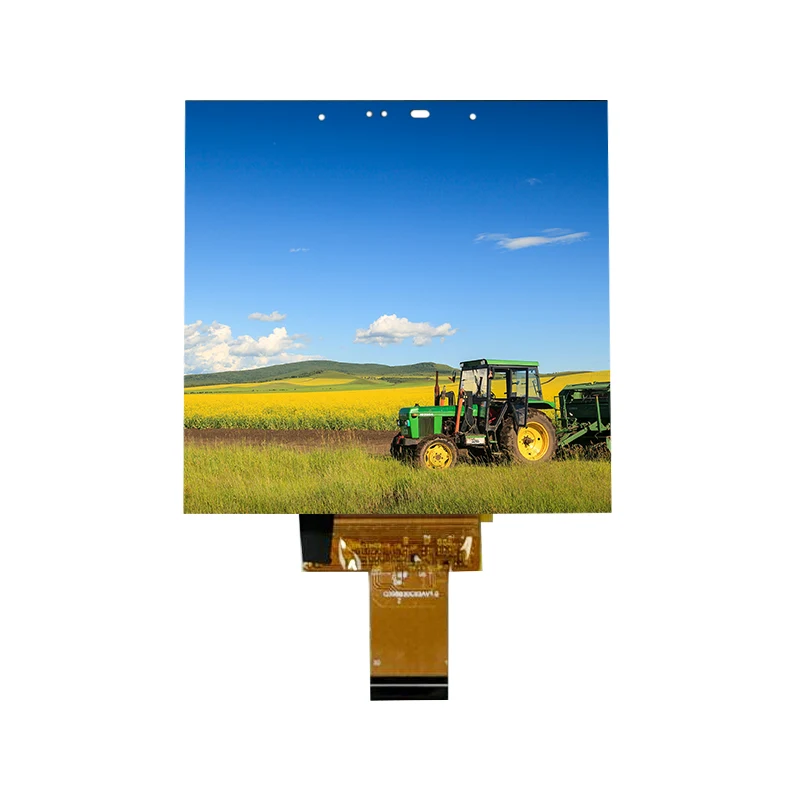
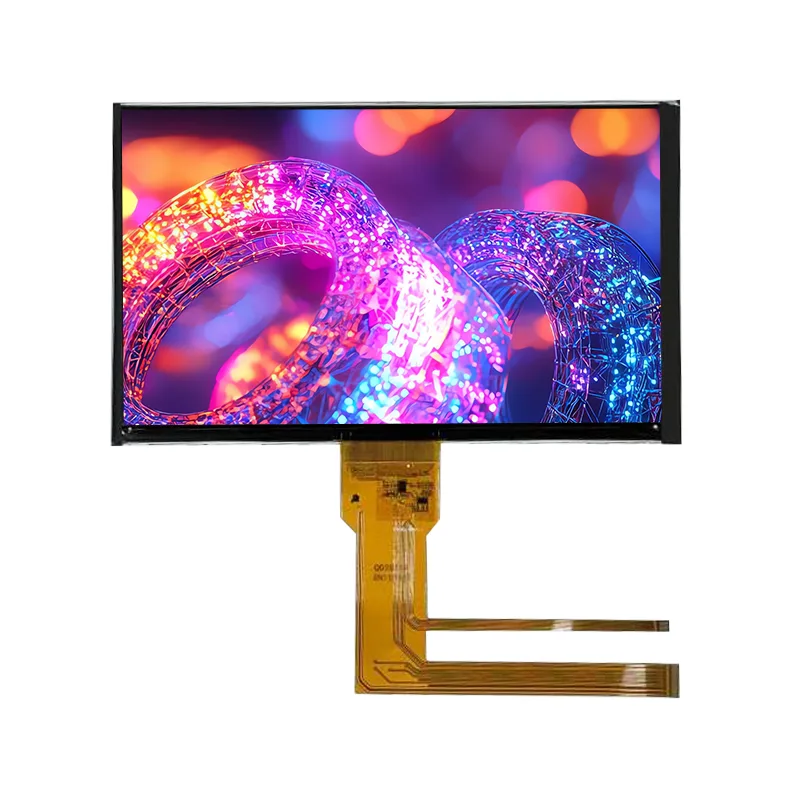
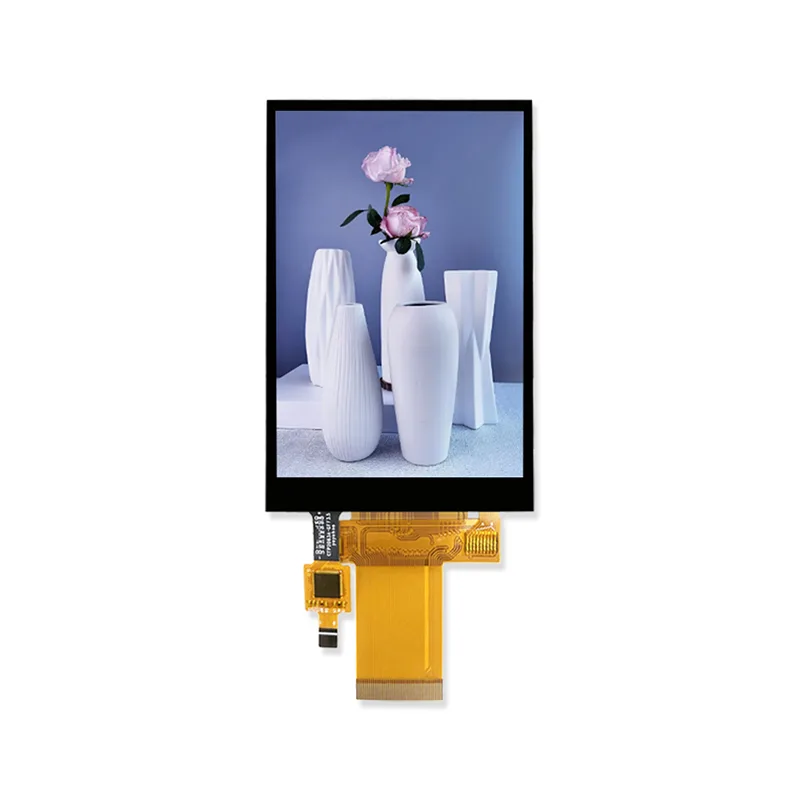
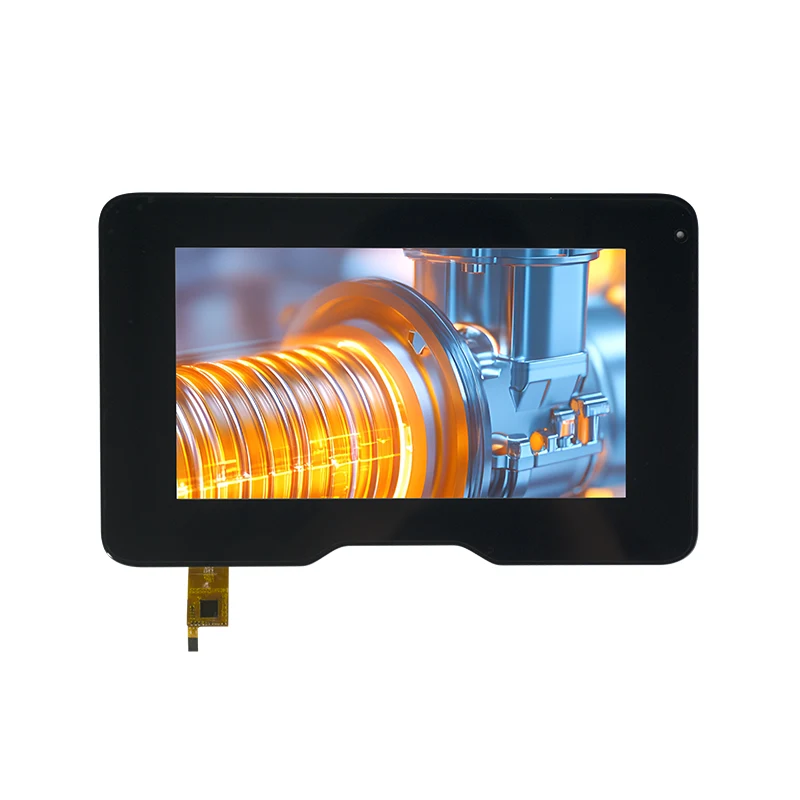
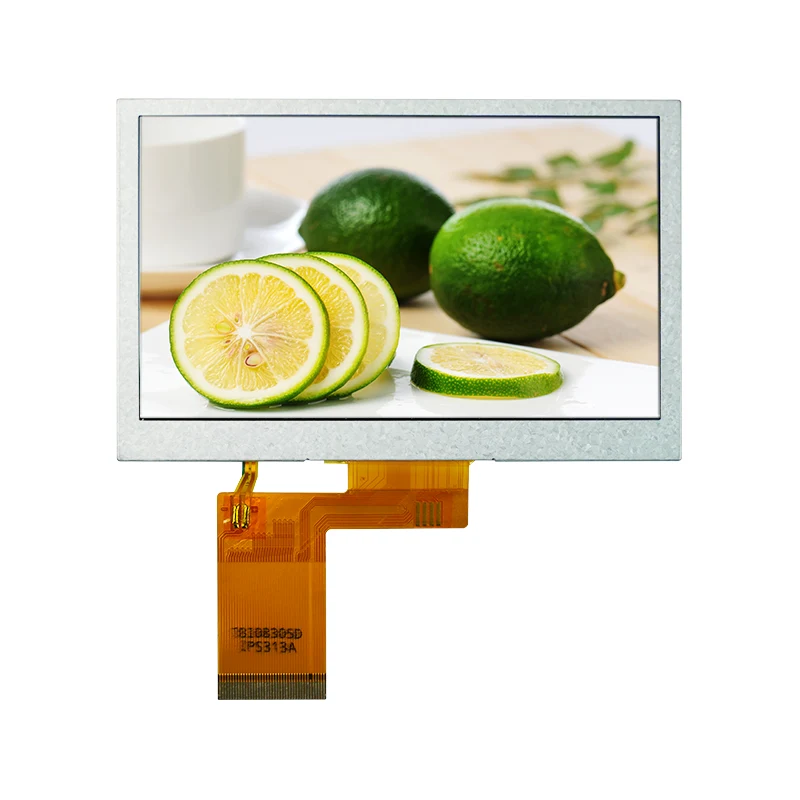
4.3' High Brightness IPS TFT Small Touch Screen Module

Table of Contents


Introduction and Product Overview

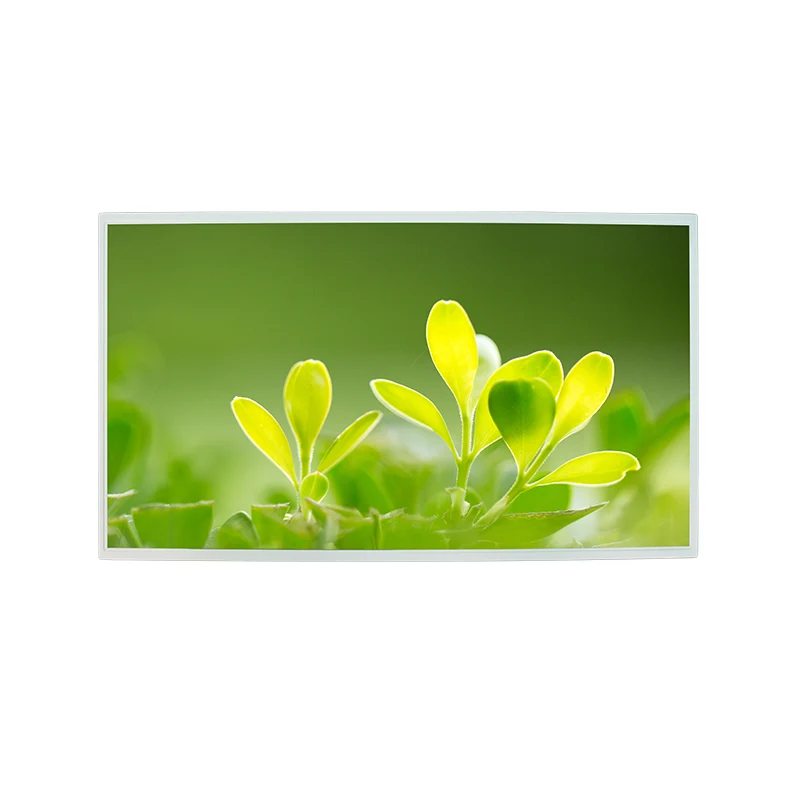
Small TFT Touch Screens, also referred to as Thin-Film Transistor LCD modules, are compact, high-performance displays that combine visual clarity with interactive touch capabilities. These screens are typically used in devices where space is limited but high resolution and responsiveness are required. They support multi-touch gestures, offer precise color reproduction, and are compatible with multiple control interfaces.

The purpose of this guide is to provide a comprehensive understanding of Small TFT Touch Screens, including technical specifications, selection criteria, and troubleshooting insights. By exploring these aspects, engineers, system integrators, and buyers can ensure the optimal deployment of these modules in their applications.


Key Specifications of Small TFT Touch Screens

The selection of a Small TFT Touch Screen relies heavily on understanding its technical specifications. The table below highlights critical parameters typically used for evaluation:

Parameter Description
Display Size Typically ranges from 1.44" to 7.0" diagonal, ideal for compact devices
Resolution QVGA, WVGA, or higher; provides clear images and text readability
Touch Technology Resistive or Capacitive (Multi-touch supported in capacitive models)
Interface SPI, I2C, RGB, MCU parallel, or HDMI for display connectivity
Brightness Typically 300–600 nits; suitable for indoor and semi-outdoor environments
Operating Temperature -20°C to +70°C for standard models; industrial-grade can extend up to +85°C
Color Depth 16-bit to 24-bit true color; ensures vivid graphics and UI representation

How to Select the Right Small TFT Touch Screen?

Selecting the right Small TFT Touch Screen involves evaluating project-specific requirements and balancing technical parameters with budget constraints. The following steps provide a systematic approach:

  1. Identify Size Requirements: Consider the available installation space and the optimal user interaction area.
  2. Choose Appropriate Resolution: Higher resolution is preferred for detailed graphics and text clarity.
  3. Select Touch Technology: Capacitive screens offer smoother gestures and multi-touch support; resistive screens are better for stylus input or industrial environments.
  4. Interface Compatibility: Ensure the module is compatible with your MCU or embedded controller interface.
  5. Environmental Suitability: Check operating temperature, humidity tolerance, and brightness requirements for your application.
  6. Power Consumption: Evaluate power usage to maintain energy efficiency, especially in battery-powered devices.

Frequently Asked Questions About Small TFT Touch Screens

Q1: What is the difference between resistive and capacitive Small TFT Touch Screens?

A1: Resistive touchscreens rely on pressure applied to the screen to register input, suitable for stylus or gloved use, but provide lower clarity. Capacitive touchscreens detect electrical charge changes, supporting multi-touch gestures, smoother input, and higher transparency for vivid displays.

Q2: How to extend the lifespan of a Small TFT Touch Screen?

A2: Lifespan can be extended by maintaining proper operating temperature, avoiding excessive exposure to sunlight, cleaning with non-abrasive materials, and minimizing constant heavy touch or high-impact stress. Proper voltage regulation and adherence to the manufacturer’s operational guidelines are crucial.

Q3: Can Small TFT Touch Screens operate in outdoor environments?

A3: Many standard small TFT modules are designed for indoor use with typical brightness levels of 300–400 nits. For outdoor use, select models with high brightness (600+ nits), anti-glare coatings, and extended temperature ranges to ensure visibility and durability.


Applications and Optimization Tips

Small TFT Touch Screens are deployed across various industries, including:

  • Industrial control panels and automation equipment
  • Medical devices, diagnostic instruments, and handheld monitors
  • Consumer electronics such as handheld gaming consoles and smart appliances
  • Automotive dashboards, infotainment systems, and navigation displays

Optimization strategies include:

  • Adjusting contrast and brightness based on ambient lighting
  • Implementing responsive UI designs that match the screen size and resolution
  • Regular firmware and driver updates to maintain touch sensitivity and color accuracy
  • Using protective coatings or glass to reduce scratches and enhance durability

Conclusion and Brand Contact

Small TFT Touch Screens offer high versatility for applications requiring compact display and interactive functionality. Engineers and product designers must carefully consider size, resolution, touch technology, interface compatibility, and environmental requirements to ensure optimal performance. For high-quality modules and expert guidance, TFT LCD Display Module Exporter provides a wide selection of small TFT touch screens suitable for industrial and consumer applications.

For inquiries or to explore the full range of modules, please contact us.


Related News
Leave me a message
X
We use cookies to offer you a better browsing experience, analyze site traffic and personalize content. By using this site, you agree to our use of cookies. Privacy Policy
Reject Accept