Inspiration

What Makes an 8.0 inch Normally Back IPS TFT LCD Screen Module So Valuable?

2025-12-18
What Makes an 8.0 inch Normally Back IPS TFT LCD Screen Module So Valuable?

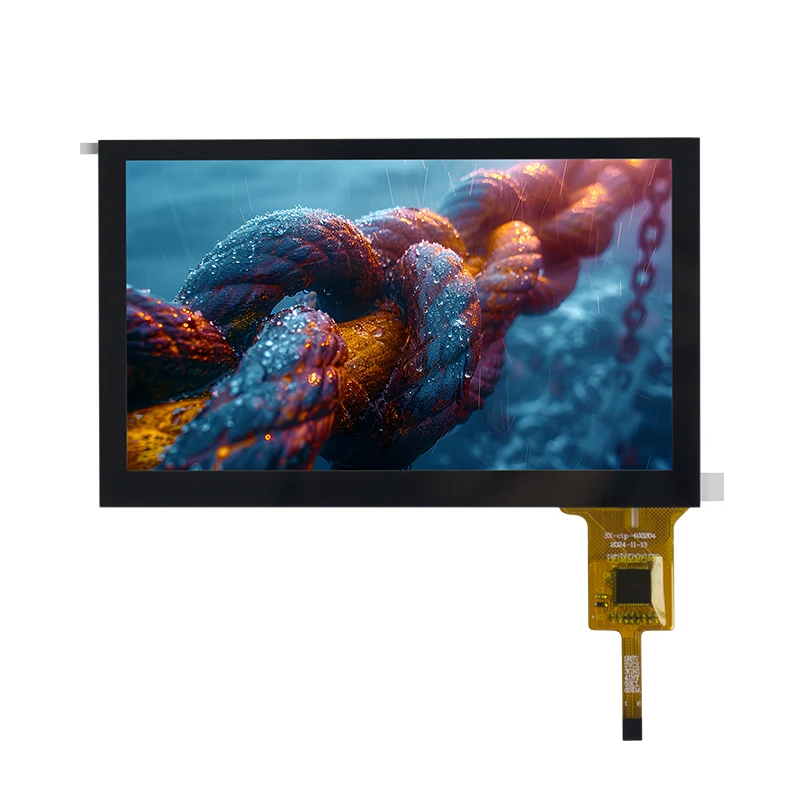
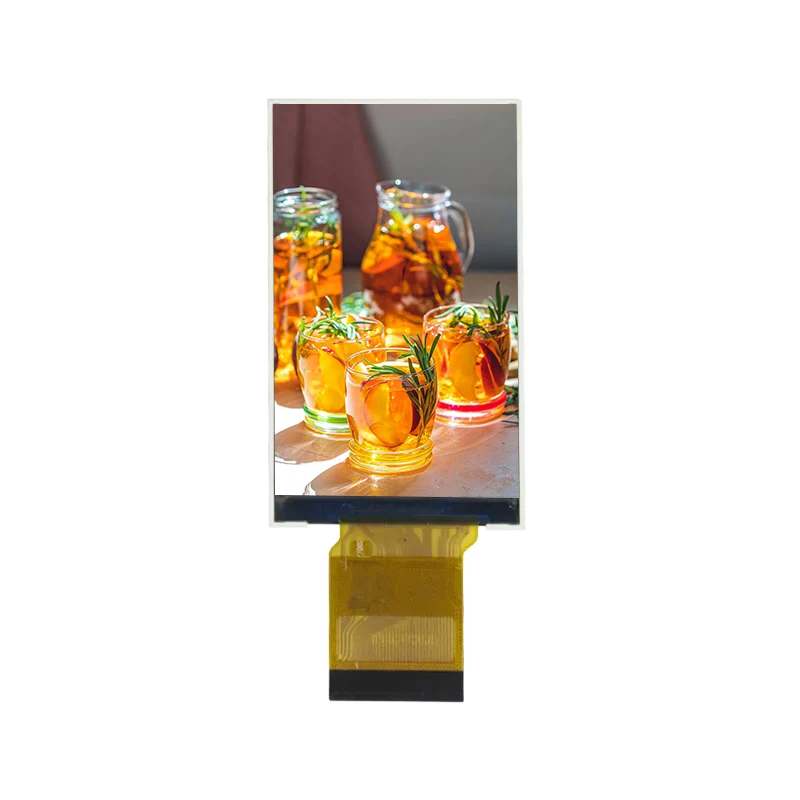
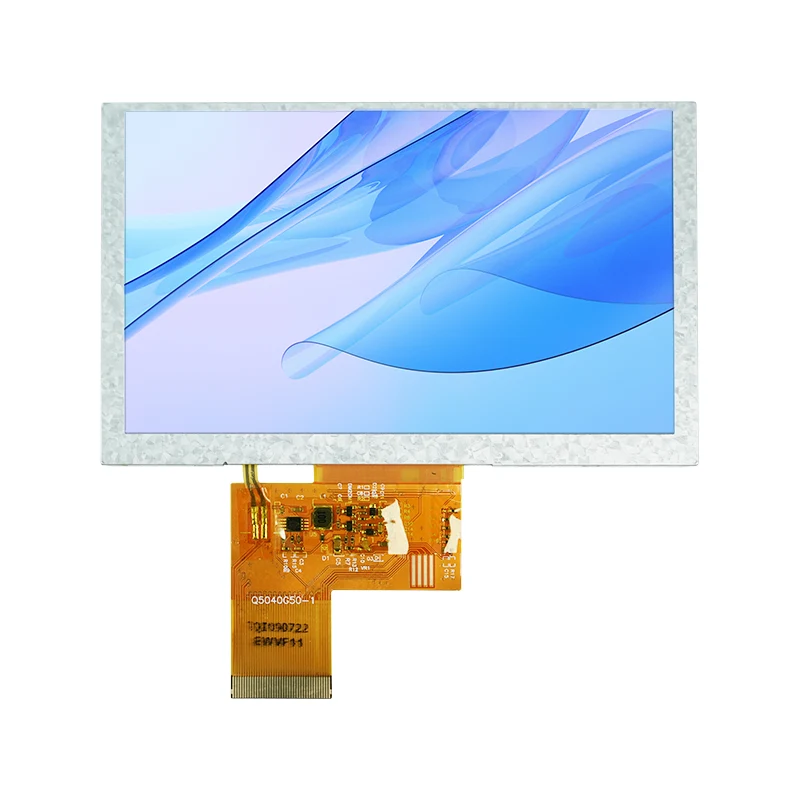
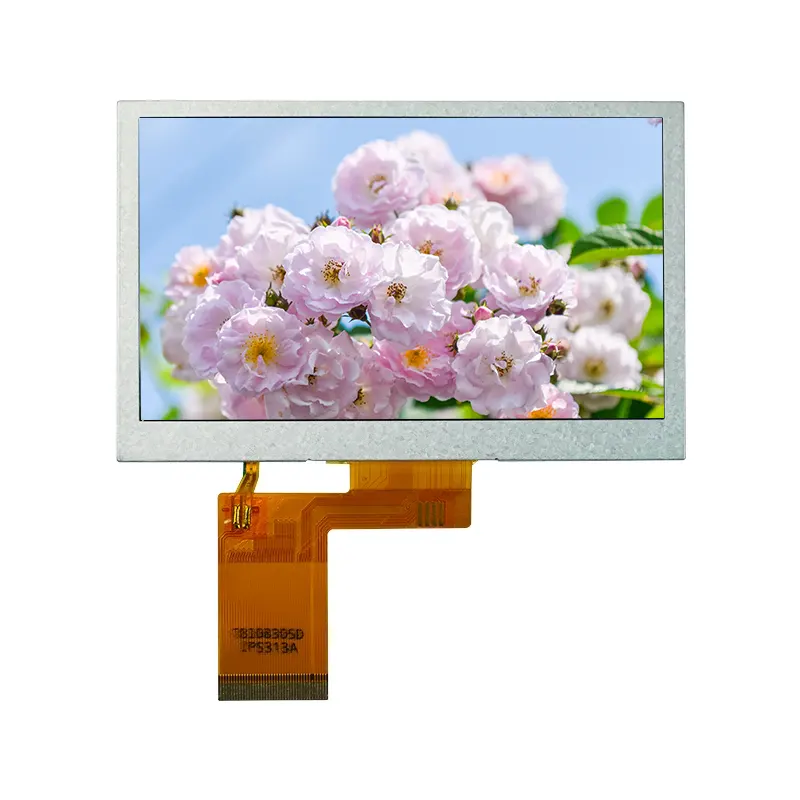
The 8.0 inch Normally Back IPS TFT LCD Screen Module has become one of the most sought‑after display solutions across industries ranging from industrial control, automation, healthcare, to consumer electronics. This feature‑rich display combines reliable performance with wide viewing angles and solid contrast, delivering both efficiency and user experience. In this comprehensive article, we will answer key questions about this module’s design, functionalities, advantages, and applications.

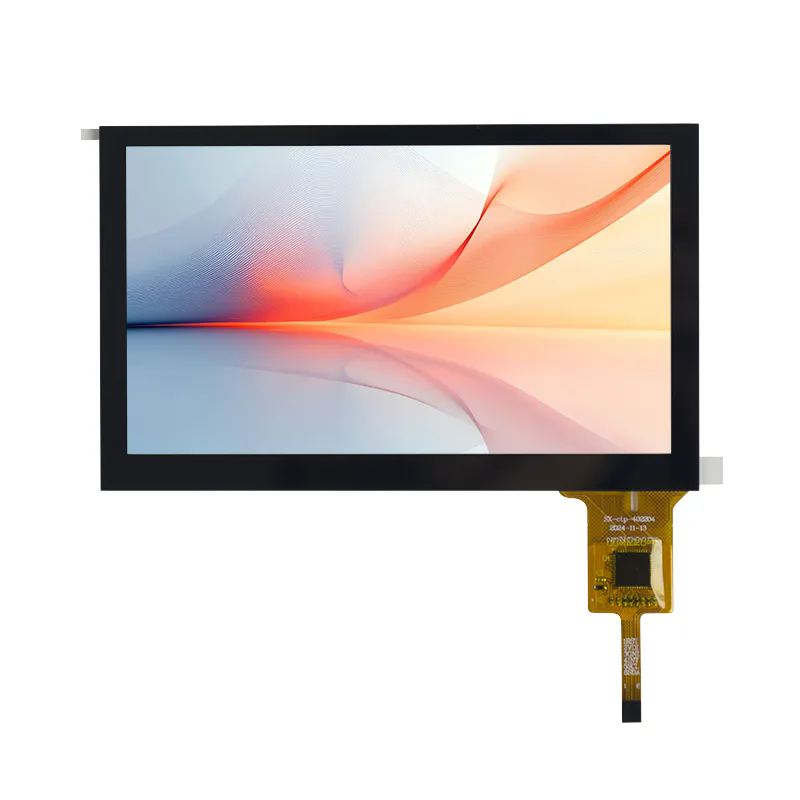
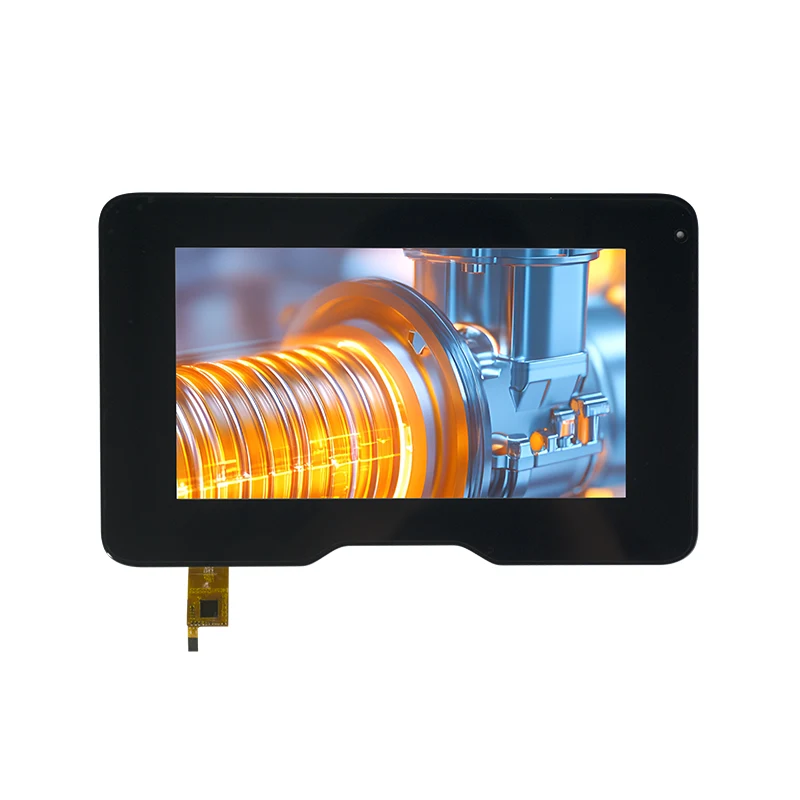
8.0 inch Normally Back IPS TFT LCD Screen Module

Table of Contents

  1. What Is an 8.0 inch Normally Back IPS TFT LCD Screen Module?
  2. Why Choose IPS over Other TFT Technologies?
  3. How Does the "Normally Back" Characteristic Influence Performance?
  4. Where Are These Modules Commonly Used?
  5. What Key Features Should You Look For?
  6. How to Select the Right Module for Your Project?
  7. Frequently Asked Questions
  8. References

What Is an 8.0 inch Normally Back IPS TFT LCD Screen Module?

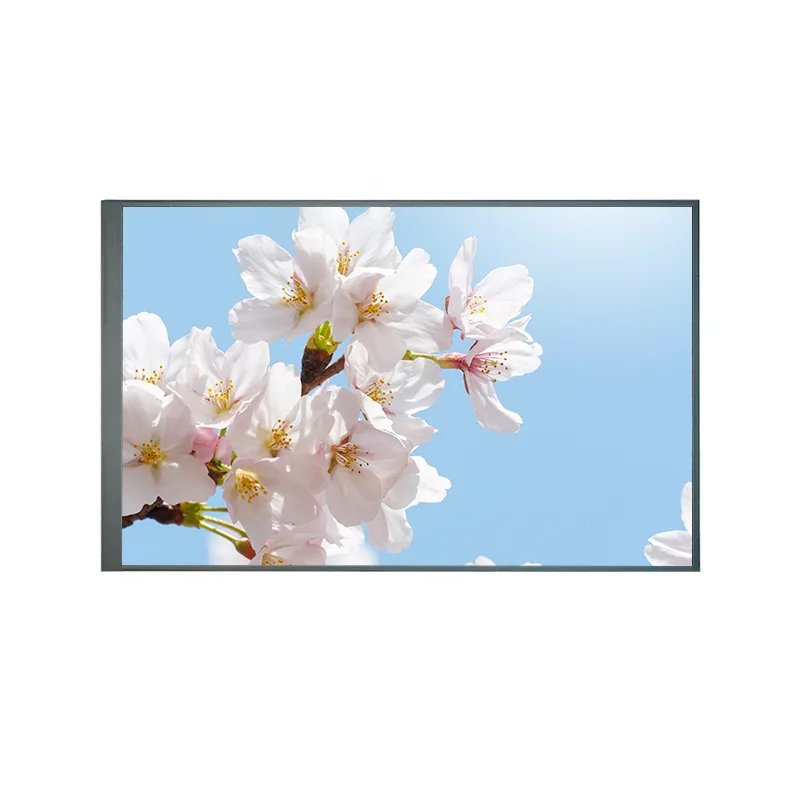
An 8.0 inch Normally Back IPS TFT LCD Screen Module refers to a display unit that uses In‑Plane Switching (IPS) technology and a “normally back” polarizer. It measures 8.0 inches diagonally and is commonly used in embedded systems due to its compact size and broad viewing angles.

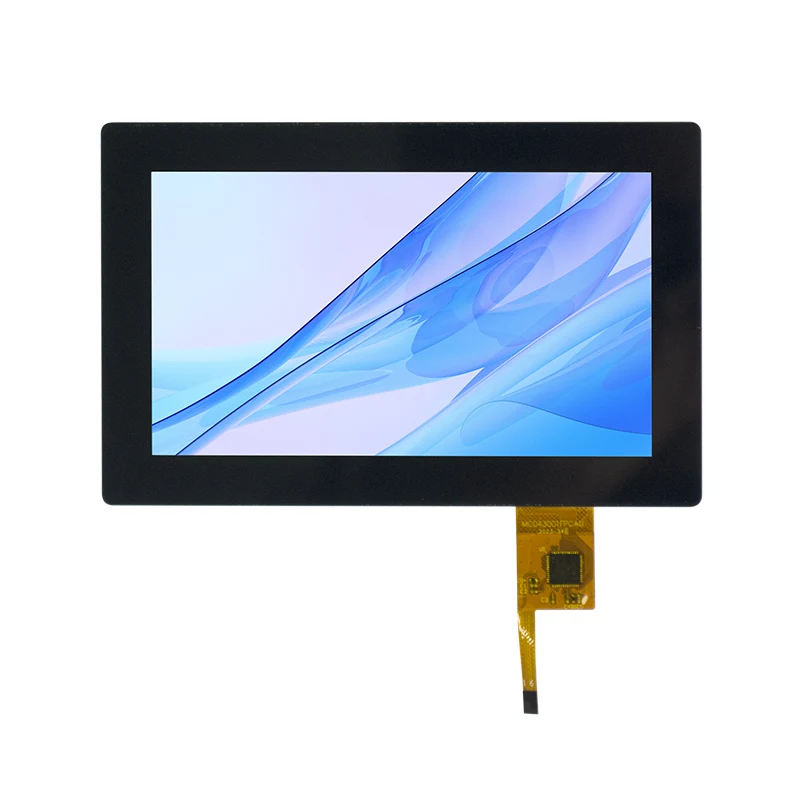
This module integrates the display panel, driver ICs, and typically often a touch interface, enabling OEM integration into machines, equipment consoles, and user terminals.

Why Choose IPS over Other TFT Technologies?

IPS (In‑Plane Switching) is one of the leading TFT (Thin‑Film Transistor) LCD technologies. Compared to traditional TN (Twisted Nematic) or VA (Vertical Alignment), IPS offers superior viewing angle and color reproduction. This makes it ideal for applications where clarity and consistent color are crucial.

  • Wide Viewing Angle: Up to 178° horizontally and vertically.
  • Stable Color: Minimal shift regardless of angle.
  • Better Durability: Stable performance in varying environments.

How Does the "Normally Back" Characteristic Influence Performance?

The term “Normally Back” refers to a specific brightness orientation where the display module performs with standard brightness and contrast when compared to “normally black” polarizers. This characteristic impacts:

> Standard / balanced
Characteristic Normally Back Normally Black
Brightness Typically brighter
Energy Efficiency Good Moderate
Contrast Standard Higher

Choosing between these depends on application — e.g., where power is limited but brightness matters, normally back may be preferred.

Where Are These Modules Commonly Used?

Display modules like the 8.0‑inch IPS TFT are ubiquitous in modern technology due to their flexibility across sectors. Typical environments include:

  • Industrial HMI: Operator control panels in factories.
  • Medical Devices: Portable monitors, handheld diagnostics.
  • Automotive Displays: Dashboards, rear monito
  • Consumer Electronics: Tablets, portable consoles.

What Key Features Should You Look For?

Not all IPS TFT modules are created equal. Below is a quick comparison of features you should evaluate:

Feature Why It Matters Recommended Range
Resolution Image sharpness 800×1280 or higher
Brightness (nits) Outdoor readability 400–800
Touch Type User interaction PCAP / Resistive
Interface Connectivity to controller RGB / MIPI / LVDS

How to Select the Right Module for Your Project?

Selecting the right TFT display module goes beyond size and resolution. Consider the following checklist when evaluating options:

  1. Determine Operating Environment: Temperature range, humidity, lighting.
  2. Interface Compatibility: Can your system support the display controller?
  3. Touch Requirement: Do you need a touch layer?
  4. Power Consumption: Important for battery‑powered devices.
  5. Lifespan & Warranty: Read manufacturer specifications.

Frequently Asked Questions (FAQ)

What is the difference between IPS and TN LCD?

IPS provides wider viewing angles and better color accuracy, while TN tends to be cheaper with faster response times. IPS is widely preferred for quality displays. 

Can an 8.0 inch TFT module support touch?

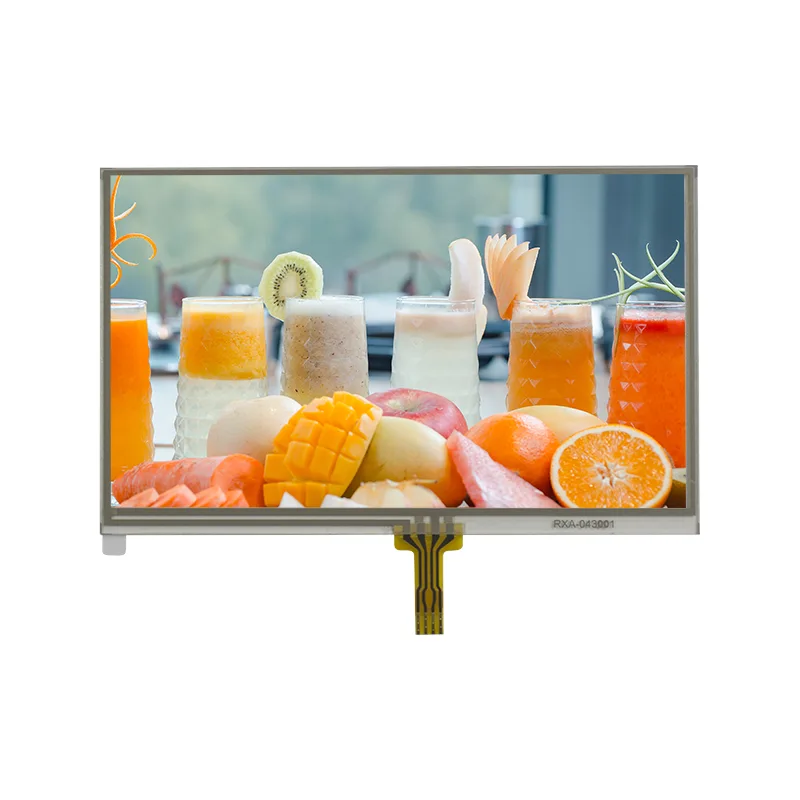
Yes. Many modules integrate PCAP (projected capacitive) or resistive touch solutions to support user interaction.

What environments are suitable for this module?

Industrial, automotive, medical, and consumer environments — anywhere there’s a need for reliable display with wide viewing angles.

How do I choose brightness for outdoor use?

Brightness above 600 nits enhances readability in direct sunlight.

References

  • Wikipedia: In‑Plane Switching (IPS)
  • TFTCentral – Display Technology Guide
  • Advanced Display Technologies
Related News
X
We use cookies to offer you a better browsing experience, analyze site traffic and personalize content. By using this site, you agree to our use of cookies. Privacy Policy
Reject Accept