Inspiration

What Is an In-cell Touch Screen and Why Is It Transforming Modern Display Technology?

2025-12-10

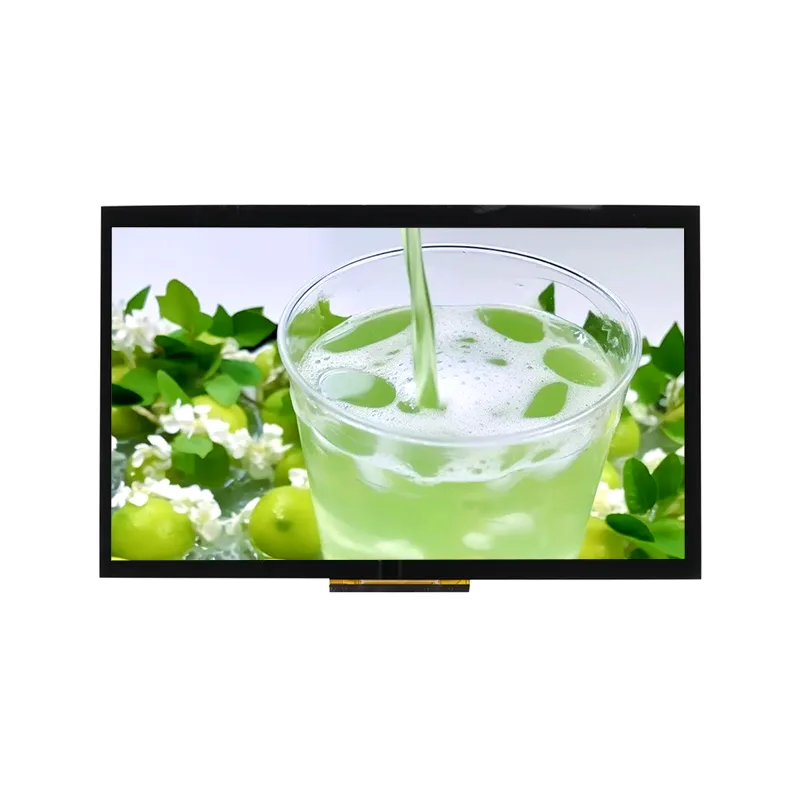
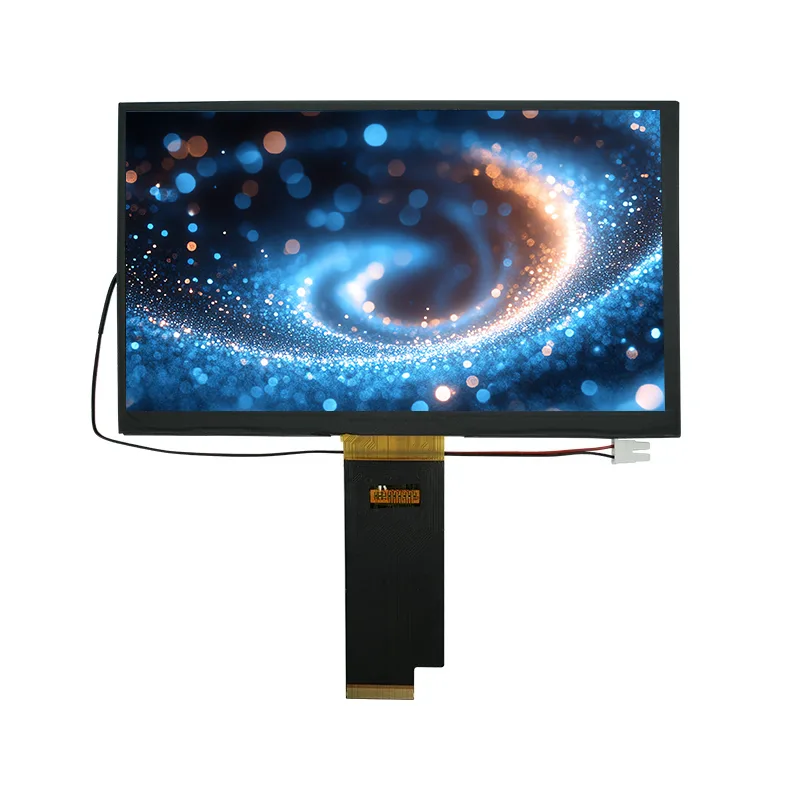
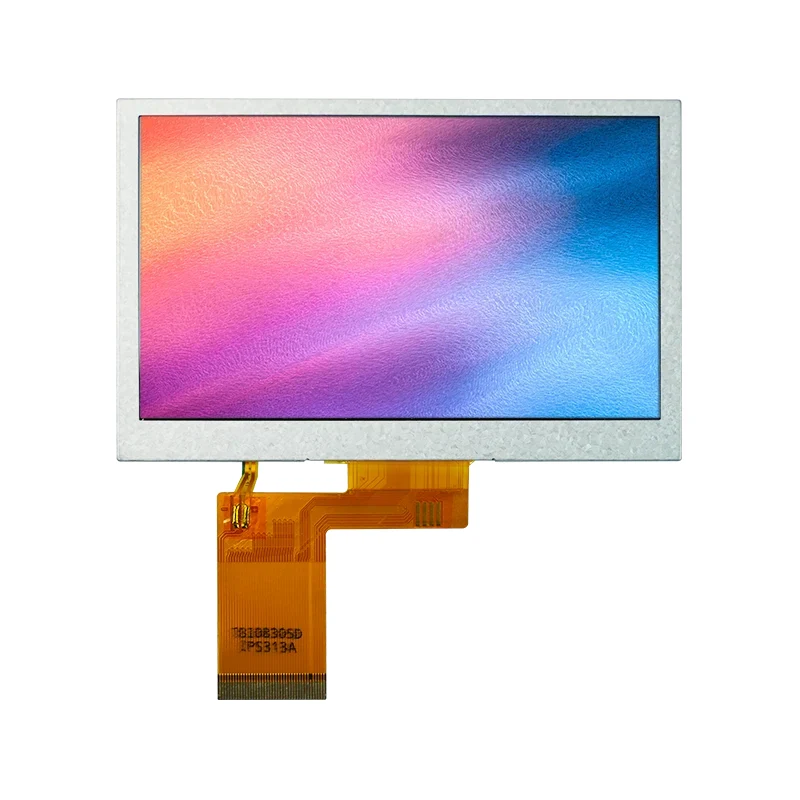
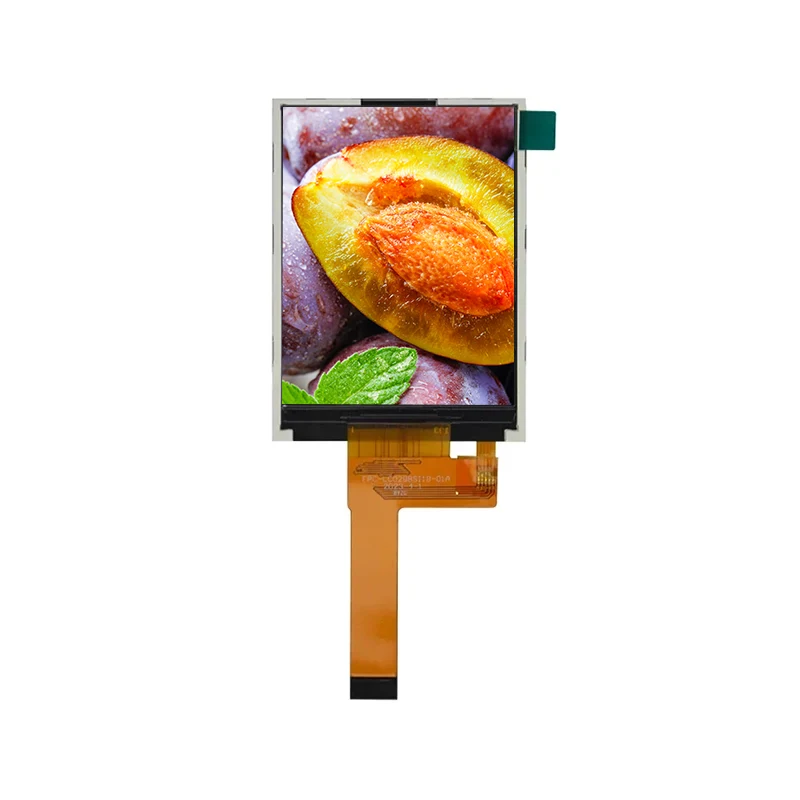
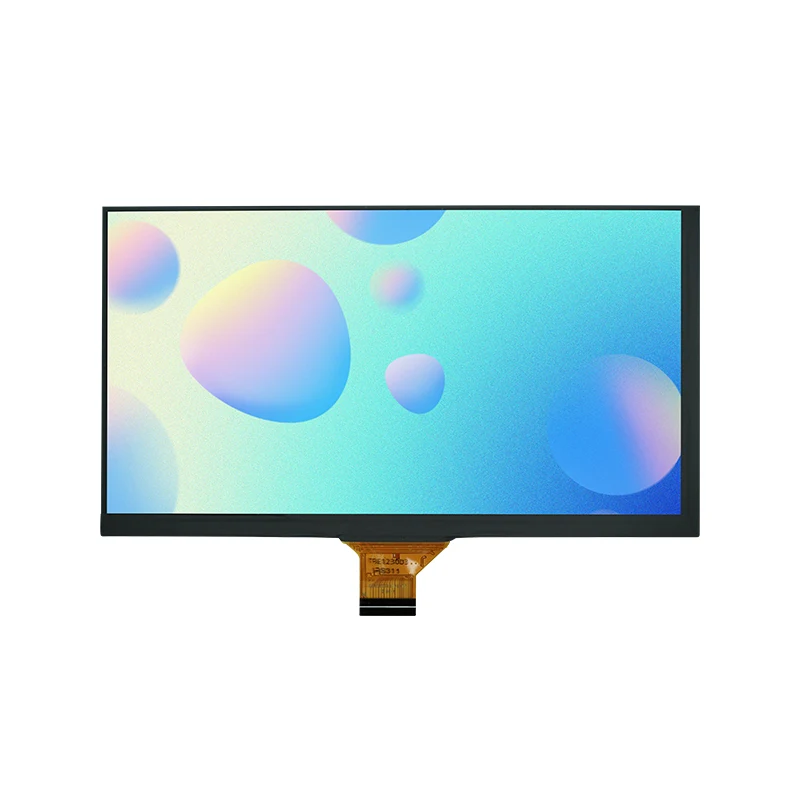
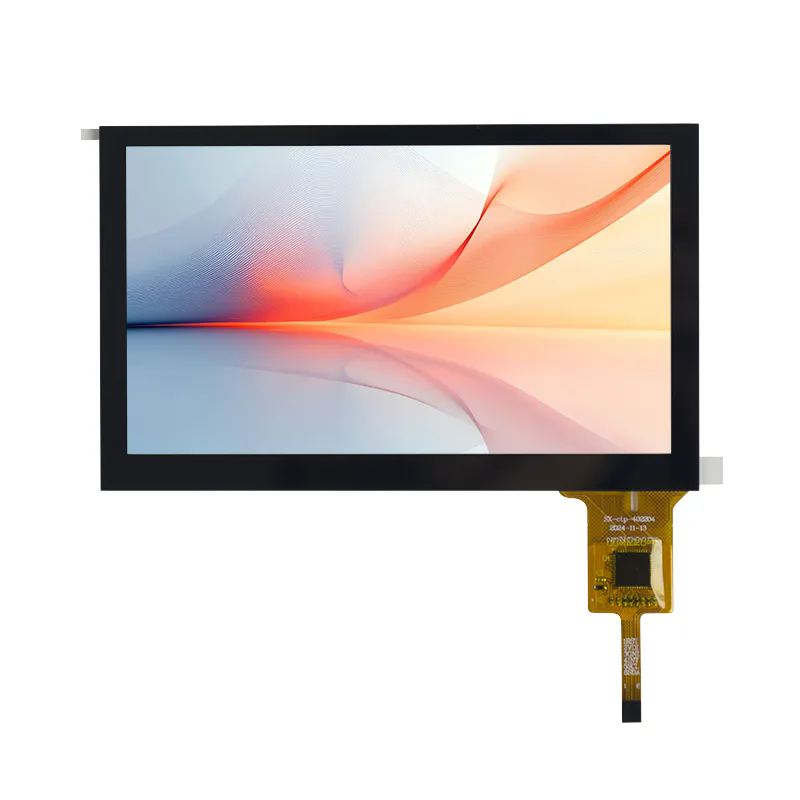
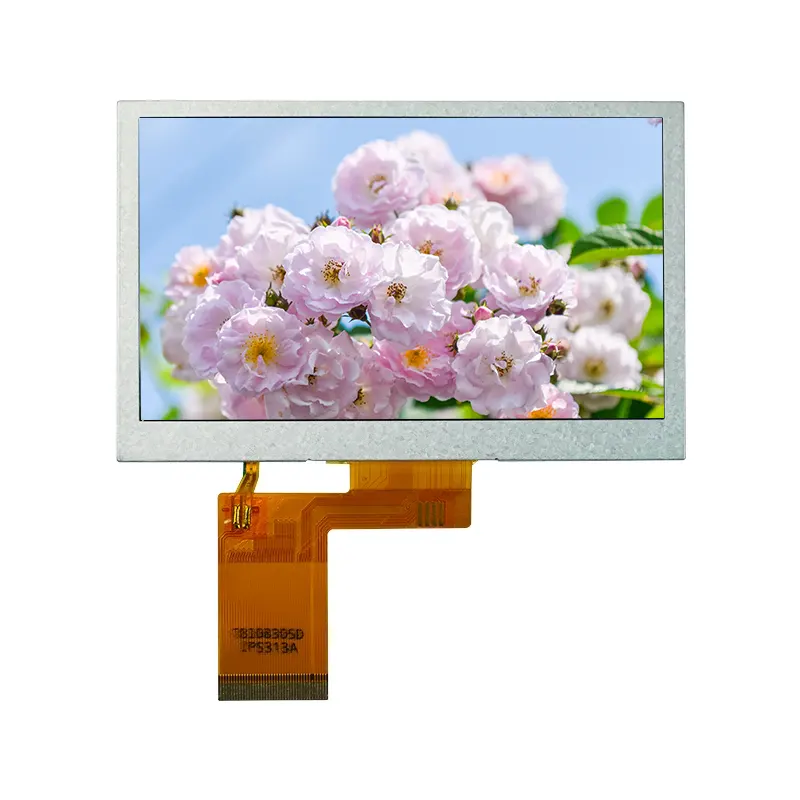
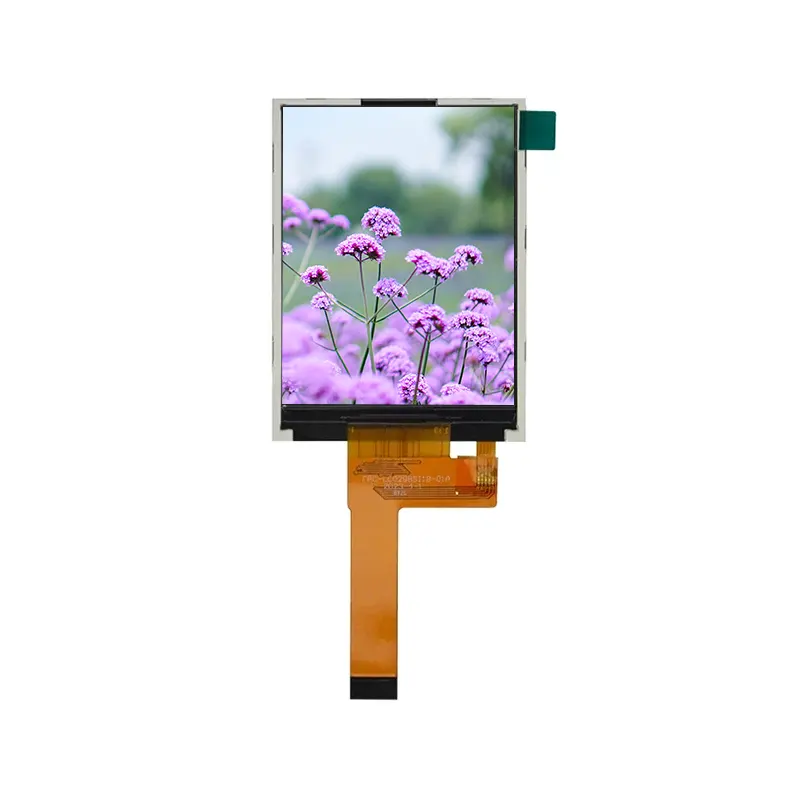
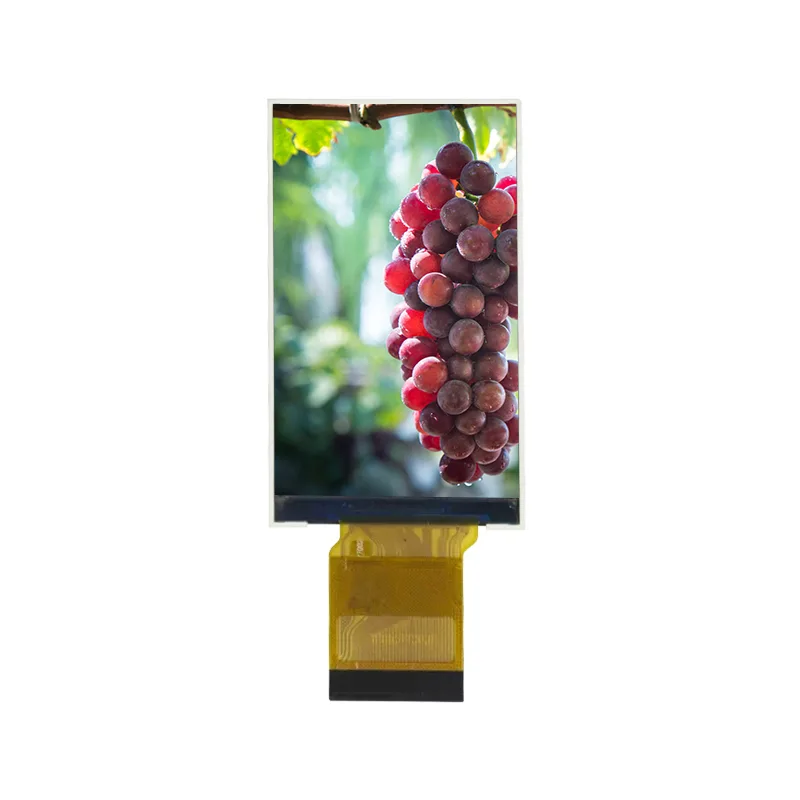
As mobile devices become thinner, lighter, and more visually refined, display technologies must advance at the same pace. One innovation leading this shift is the In-cell Touch Screen—a display solution that integrates touch sensors directly into the LCD or OLED cell. This eliminates additional layers, improves optical clarity, and reduces device thickness without sacrificing functionality. As manufacturers demand better display quality and more compact structures, In-cell Touch Screen technology has quickly become a preferred choice across smartphones, tablets, smartwatches, and automotive panels.

In-cell Touch Screen


How Does an In-cell Touch Screen Work?

Unlike traditional touch solutions where touch sensors sit above the display panel, In-cell Touch Screen technology embeds the touch sensor electrodes inside the display substrate. This design merges display and touch into a single laminated structure.

Core Working Principles

  • Integrated Touch Layer: The capacitive touch layer is built inside the display cell rather than on top.

  • Signal Synchronization: Touch signals and display signals operate through precise timing control to avoid interference.

  • Driver IC Fusion: Many In-cell panels adopt unified display and touch driver ICs (TDDI), reducing power consumption and system cost.

  • Higher Light Transmittance: With fewer layers for light to pass through, brightness and color accuracy improve significantly.

The result is a display that delivers higher image quality, improved touch sensitivity, and better power efficiency.


Why Choose an In-cell Touch Screen Over On-cell and Traditional Touch Screens?

When selecting a touch panel for devices, the comparison between In-cell, On-cell, and G+G (Glass-Glass) technologies is crucial.

Key Advantages of In-cell Touch Screens

  1. Thinner and Lighter Device Structure
    Eliminates extra touch layers, reducing thickness by 10–20%.

  2. Enhanced Optical Performance
    Higher transparency allows brighter displays with more vivid colors.

  3. Excellent Touch Accuracy
    Sensors closer to the finger improve response precision.

  4. Lower Power Consumption
    Shared driver IC saves energy—ideal for mobile devices.

  5. Competitive Manufacturing Cost
    Fewer layers reduce material and lamination costs in mass production.

Comparison Table: In-cell vs On-cell vs Traditional Structures

Feature / Type In-cell Touch Screen On-cell Touch G+G / Traditional
Touch Layer Position Inside the display cell On top of panel External glass layers
Thickness ★★★★★ (ultra-thin) ★★★★☆ ★★☆☆☆
Optical Clarity ★★★★★ ★★★★☆ ★★★☆☆
Touch Sensitivity ★★★★★ ★★★★☆ ★★★☆☆
Production Cost ★★★★☆ ★★★☆☆ ★★☆☆☆
Ideal Applications Smartphones, tablets, wearables Mid-range devices Industrial, rugged devices

In-cell technology clearly stands out for consumer electronics where aesthetics, responsiveness, and efficiency are top priorities.


What Product Specifications Can We Provide for In-cell Touch Screens?

Shenzhen Tianfu Innovative Technology Co., Ltd. delivers highly customizable In-cell Touch Screen solutions tailored to a wide range of applications. Below are typical parameters available for OEM/ODM projects.

Standard Product Parameters

  • Display Size: 4.0" – 13.3" (custom sizes available)

  • Resolution Options:

    • 720×1280

    • 1080×1920

    • 1200×2000

    • 2160×3840

  • Touch Technology: Capacitive, multi-touch 10-point

  • Driver IC: TDDI integrated chip (Goodix, Ilitek, Synaptics optional)

  • Brightness: 350–600 nits customizable

  • Glass Type: 2.5D tempered cover glass, anti-glare optional

  • Interface: MIPI / eDP

  • Operating Temperature: –20°C to 70°C

  • Response Time: < 5ms

  • Cover Lens Customization: Colors, logo printing, strengthened glass, water-resistant coating

Specification Table (Simplified)

Specification Description
Display Technology In-cell capacitive touch
Sizes Available 4.0–13.3 inches
Resolution HD, FHD, WUXGA, 2K, 4K
Brightness Range 350–600 nits
Touch Points Up to 10 points
Interface MIPI / eDP
Driver IC TDDI integrated
Customization Logo, shape, glass, coatings

These options allow seamless integration into smart consumer devices, automotive HUD control screens, handheld terminals, and industrial-grade equipment.


Which Industries Benefit the Most From In-cell Touch Screens?

Because of their thinness, clarity, and precision, In-cell Touch Screens have been widely adopted across multiple markets.

Top Applications

  1. Smartphones and Tablets
    Premium devices prioritize lightweight structure and superior visual output.

  2. Wearable Devices and Smartwatches
    Small form factor makes In-cell ideal for compact screens.

  3. Automotive Displays
    Better visibility, minimal reflection, and high touch sensitivity enhance cabin safety.

  4. Smart Home Panels
    Wall-mounted interfaces benefit from slim profiles.

  5. Healthcare and Medical Devices
    High clarity and responsive touch improve user experience.

  6. POS Terminals, Handheld Scanners, and Industrial Tools
    Integrated structure reduces failure points, improving durability.


How to Choose the Right In-cell Touch Screen for Your Product?

Selecting the right panel involves several technical considerations. Here are the most important factors:

1. Display Size and Resolution

Match display size with device dimensions. Consider whether you need HD or FHD for visual clarity.

2. Brightness Requirements

Outdoor-use devices require at least 500 nits, while indoor gadgets operate well at 350–450 nits.

3. Driver IC Compatibility

Ensure your mainboard supports TDDI chips (Goodix, Ilitek, Synaptics, etc.).

4. Cover Glass Design

Choose between:

  • 2.5D edge glass

  • Anti-glare surface

  • Anti-fingerprint coating

  • Customized colors or window design

5. Connector Type

MIPI is common for smartphones; industrial equipment may require eDP.

6. Environmental Durability

Temperature range, humidity resistance, and impact performance should match usage scenarios.

7. Touch Performance

Look for multi-touch support and stable performance under moisture or glove operation if your device requires it.


What Makes Our In-cell Touch Screens More Reliable?

Shenzhen Tianfu Innovative Technology Co., Ltd. ensures every In-cell module meets strict reliability and quality standards.

Our Core Strengths

  • Over 10 years of display manufacturing experience

  • Automated assembly lines for consistent performance

  • Strict optical inspection for transparency and uniformity

  • Aging tests (48–72 hours) for stability

  • Touch precision tuning with professional signal calibration

  • OEM/ODM customization for structure, cover glass, and connection interface

We collaborate with global clients on long-term supply chain projects, delivering stable, high-performance display modules for mass production.


FAQ: In-cell Touch Screen

Q1: What is an In-cell Touch Screen and how is it different from traditional touch panels?
A1: An In-cell Touch Screen integrates the touch sensor directly into the display cell, eliminating external touch layers. This leads to a thinner structure, better optical clarity, and improved touch responsiveness compared to G+G or OGS panels.

Q2: Why do smartphones and tablets prefer In-cell Touch Screens today?
A2: Because they offer high brightness, lightweight structure, reduced power consumption, and a more premium display experience. The integrated TDDI solution also lowers cost and improves reliability in high-volume manufacturing.

Q3: Which devices are most suitable for In-cell Touch Screen integration?
A3: Devices that require compact size and excellent image quality—such as smartphones, tablets, wearables, automotive screens, and advanced smart home panels—benefit the most.

Q4: What customization options can be provided for OEM In-cell Touch Screen projects?
A4: Customizable factors include display size, resolution, brightness, cover glass shape, logo printing, connector type, driver IC selection, and surface treatments. Shenzhen Tianfu Innovative Technology Co., Ltd. supports full engineering customization for both small and large batches.


Contact Us for Professional In-cell Touch Screen Solutions

If you are developing mobile devices, automotive systems, industrial terminals, or smart home solutions, our In-cell Touch Screen modules offer reliability, thin structure, and premium display performance.
For project consultation, technical specifications, or custom solutions, feel free to contact Shenzhen Tianfu Innovative Technology Co., Ltd. anytime.

Related News
X
We use cookies to offer you a better browsing experience, analyze site traffic and personalize content. By using this site, you agree to our use of cookies. Privacy Policy
Reject Accept