Inspiration

How Is HD TFT LCD Display Technology Shaping Visual Interfaces Across Industries?

2026-01-04 0 Leave me a message

Abstract
HD TFT LCD Display technology has become a foundational visual interface solution across industrial equipment, consumer electronics, medical devices, automotive dashboards, and smart terminals. This article provides a comprehensive and structured analysis of HD TFT LCD Display systems, focusing on their technical fundamentals, key parameters, application logic, and performance characteristics. Through professional how-based inquiries and practical explanations, the content addresses common technical questions, selection considerations, and long-term development direction, offering decision-grade insight for global buyers and system integrators.

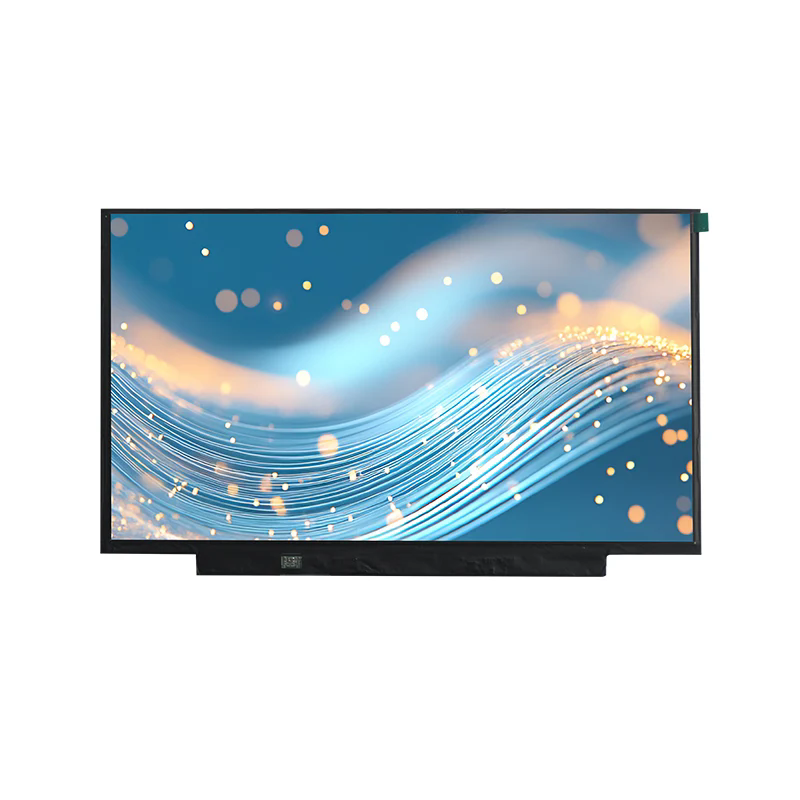
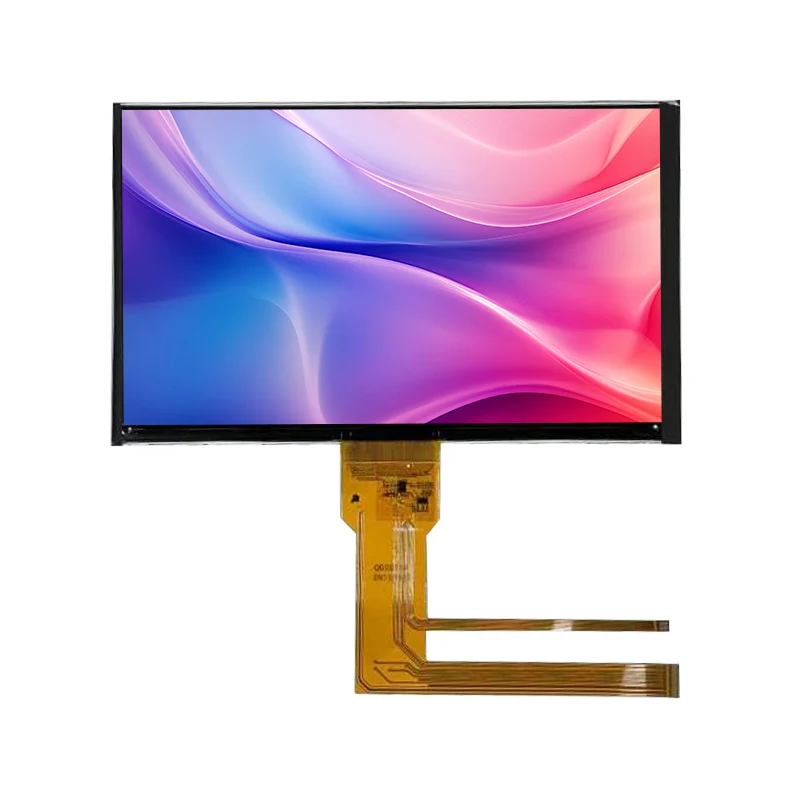
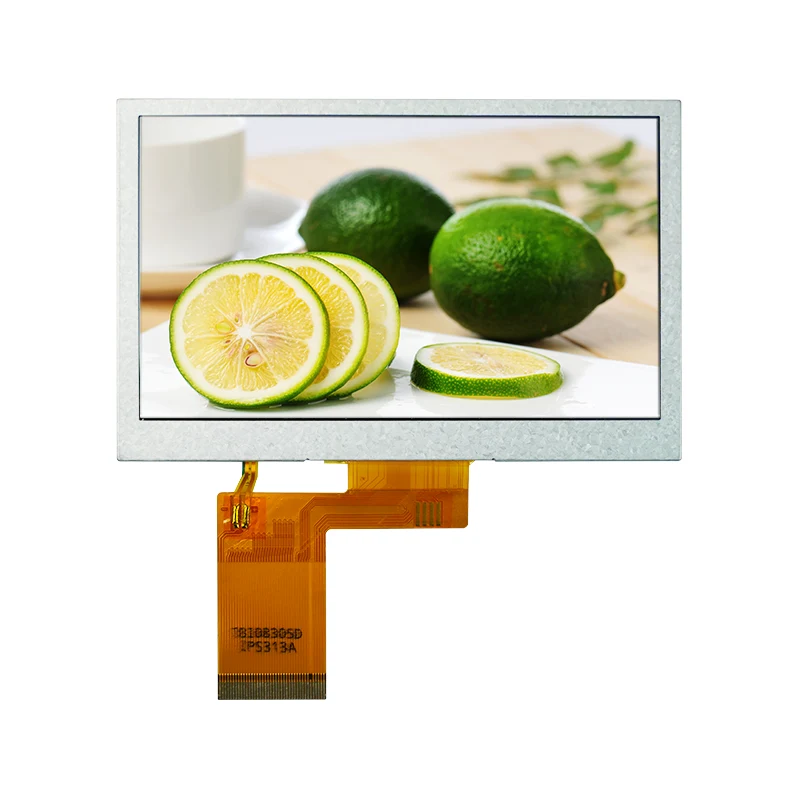
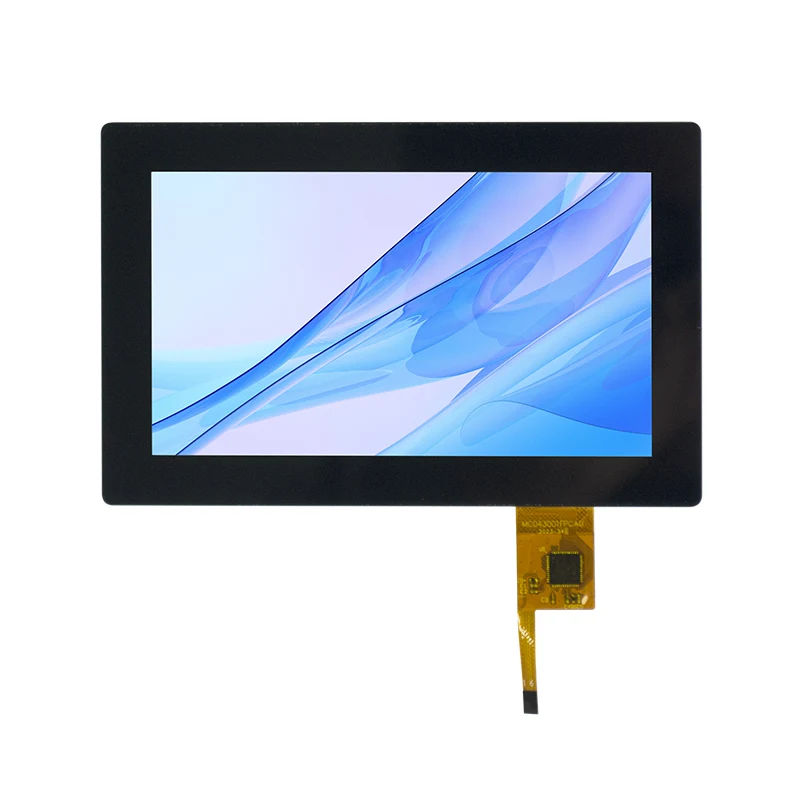
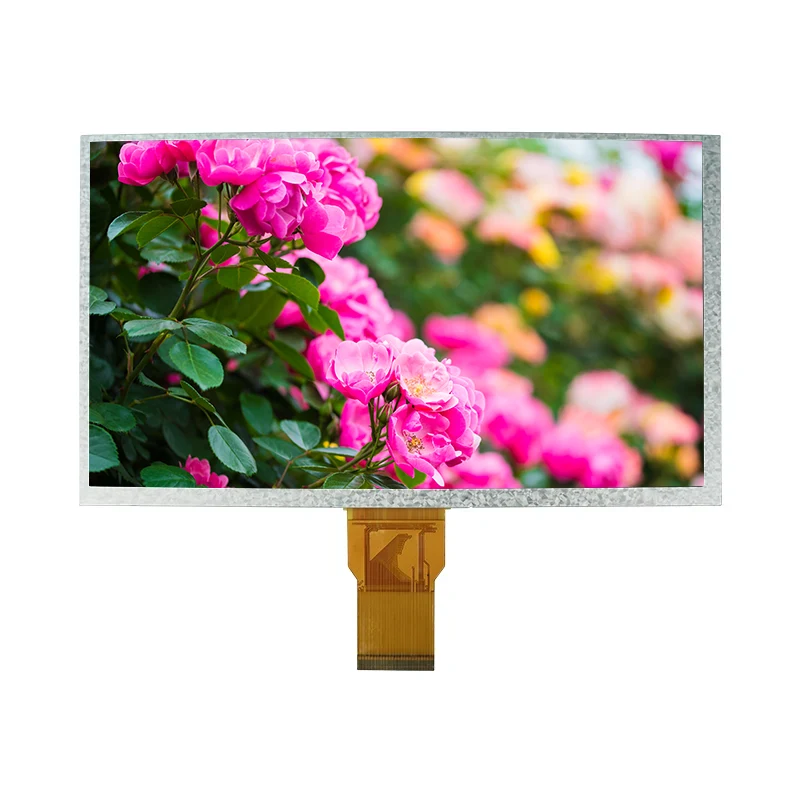
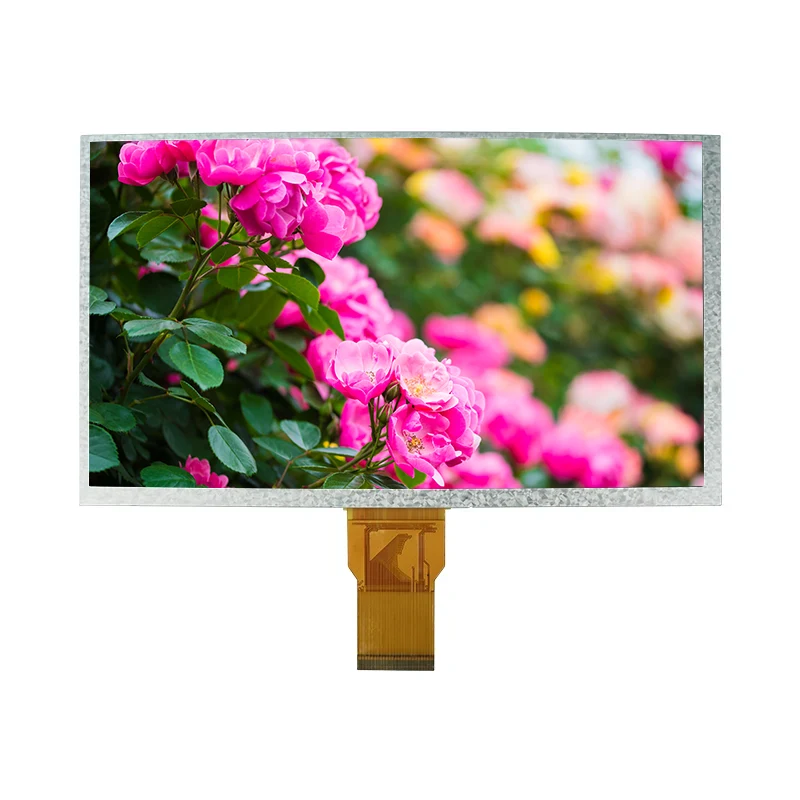
11.6' Anti-Glare Full HD TFT LCD Display Module


Table of Contents


Outline

  • Technical principles of TFT LCD architecture
  • Detailed explanation of HD display parameters
  • Application-based performance analysis
  • Frequently asked questions with structured answers
  • Industry trends and development outlook

1. How Does HD TFT LCD Display Technology Work?

An HD TFT LCD Display is a liquid crystal display module driven by thin-film transistor technology, designed to deliver high-definition resolution with stable color reproduction and fast response time. Each pixel is controlled by an individual transistor, enabling precise voltage regulation and consistent image quality.

The operating principle is based on backlight illumination combined with liquid crystal alignment. When voltage is applied, liquid crystal molecules adjust orientation to control light transmission through RGB color filters. This structure ensures pixel-level accuracy, making HD TFT LCD Display modules suitable for environments that demand clarity, reliability, and long operating cycles.

Unlike passive matrix displays, TFT architecture prevents signal crosstalk and image ghosting, which is essential for HD resolutions such as 1280×720, 1920×1080, and higher. The result is a balanced solution between performance, cost efficiency, and scalability.


2. How Are HD TFT LCD Display Parameters Evaluated?

Evaluating an HD TFT LCD Display requires systematic analysis of electrical, optical, and mechanical parameters. These indicators directly affect compatibility, lifespan, and end-user experience.

Parameter Specification Range Technical Significance
Resolution HD (1280×720) to Full HD (1920×1080) Defines image sharpness and pixel density
Display Size 3.5 inch to 15.6 inch Determines integration flexibility
Brightness 400–1500 cd/m² Ensures visibility in varied lighting conditions
Viewing Angle Up to 178° (IPS) Maintains image consistency from multiple angles
Interface LVDS, RGB, MIPI, HDMI Affects system compatibility and data transfer
Operating Temperature -20°C to +70°C Supports industrial and outdoor use

By aligning these parameters with application requirements, HD TFT LCD Display modules can achieve optimal performance stability and lifecycle efficiency.


HD TFT LCD Display Common Questions and Answers

Q: How does an HD TFT LCD Display differ from standard LCD panels?
A: HD TFT LCD Displays use active matrix transistor control for each pixel, enabling higher resolution, faster response time, and superior color uniformity compared to passive or low-resolution LCD panels.

Q: How is brightness selected for outdoor or industrial environments?
A: Outdoor and industrial applications typically require brightness levels above 800 cd/m², combined with anti-glare surface treatment and stable backlight systems to ensure readability under strong ambient light.

Q: How long is the service life of an HD TFT LCD Display?
A: Under standard operating conditions, most HD TFT LCD Displays provide a backlight lifespan between 30,000 and 50,000 hours, depending on brightness settings and thermal management.


3. How Do HD TFT LCD Displays Perform Across Applications?

HD TFT LCD Display solutions are widely deployed across multiple sectors due to their adaptability and consistent output quality.

In industrial automation, these displays serve as human-machine interfaces, providing real-time data visualization with high contrast and durability. In medical equipment, precise color accuracy and stable grayscale performance support diagnostic reliability. Automotive dashboards rely on HD TFT LCD Displays for dynamic information rendering under varying temperature and vibration conditions.

Consumer electronics applications benefit from slim profiles, low power consumption, and scalable production, making HD TFT LCD Display modules a long-term mainstream choice.


4. How Is the Future Direction of HD TFT LCD Display Evolving?

The development trajectory of HD TFT LCD Display technology focuses on higher integration, improved energy efficiency, and enhanced environmental adaptability. Advancements in IPS and LTPS backplane technologies continue to improve pixel response and power optimization.

In parallel, demand for customized sizes, higher refresh rates, and advanced touch integration is shaping the next generation of display modules. These trends position HD TFT LCD Display solutions as a stable core technology within global display ecosystems.


Conclusion and Brand Introduction

As display technology continues to evolve, HD TFT LCD Display systems remain a practical and scalable solution for industries requiring dependable visual performance. Through precise parameter control, robust architecture, and broad application compatibility, these displays support long-term system reliability.

Tianfu focuses on delivering HD TFT LCD Display solutions engineered for industrial stability and commercial adaptability. With a commitment to controlled quality standards and application-oriented design, Tianfu supports global partners across diverse sectors.

Contact Us
For detailed specifications, customization options, or technical consultation regarding HD TFT LCD Display modules, contact Tianfu to discuss project requirements and integration support.

Related News
Leave me a message
X
We use cookies to offer you a better browsing experience, analyze site traffic and personalize content. By using this site, you agree to our use of cookies. Privacy Policy
Reject Accept