Inspiration

How Does an In-cell Touch Screen Enhance Device Interaction?

2026-01-05 0 Leave me a message


Abstract: In-cell Touch Screens have revolutionized the way users interact with devices, combining the display and touch layer into one seamless unit. This article explores the technology behind In-cell Touch Screens, their technical parameters, common questions, and their evolving role in modern electronics. The discussion aims to provide professionals and enthusiasts with a comprehensive understanding of this technology.

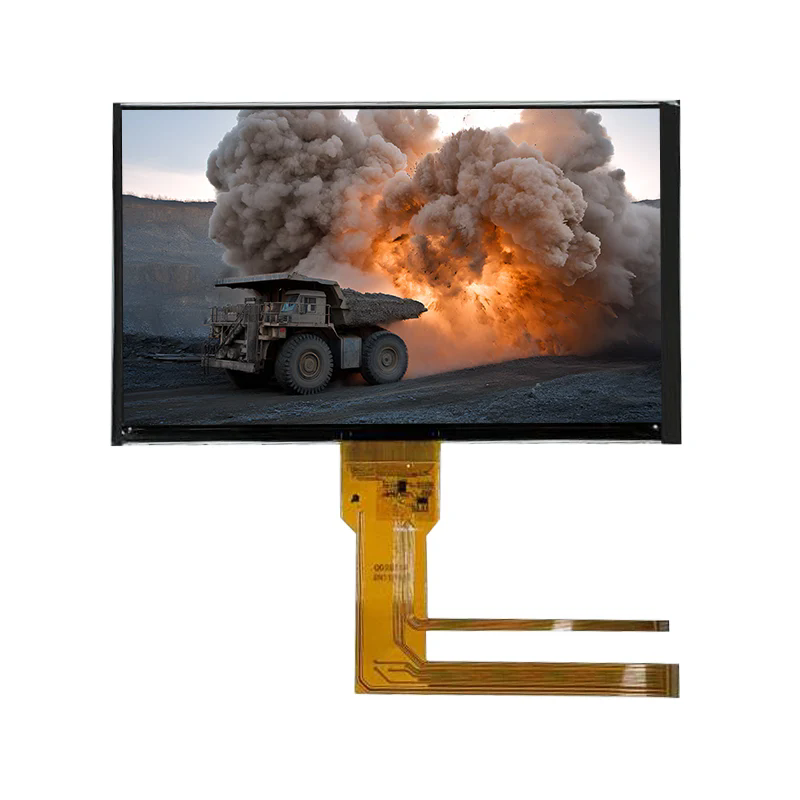
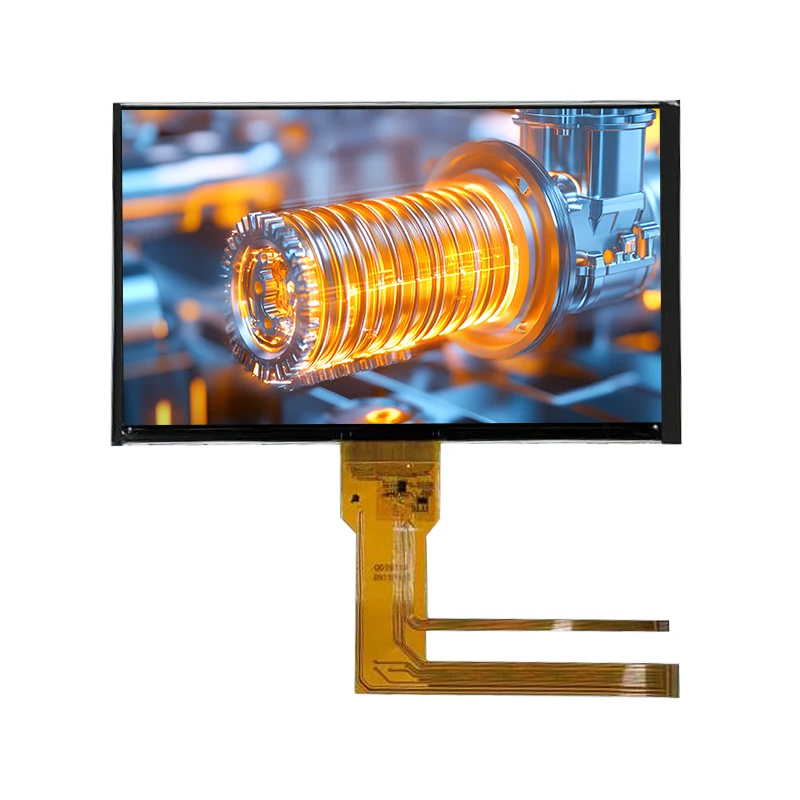
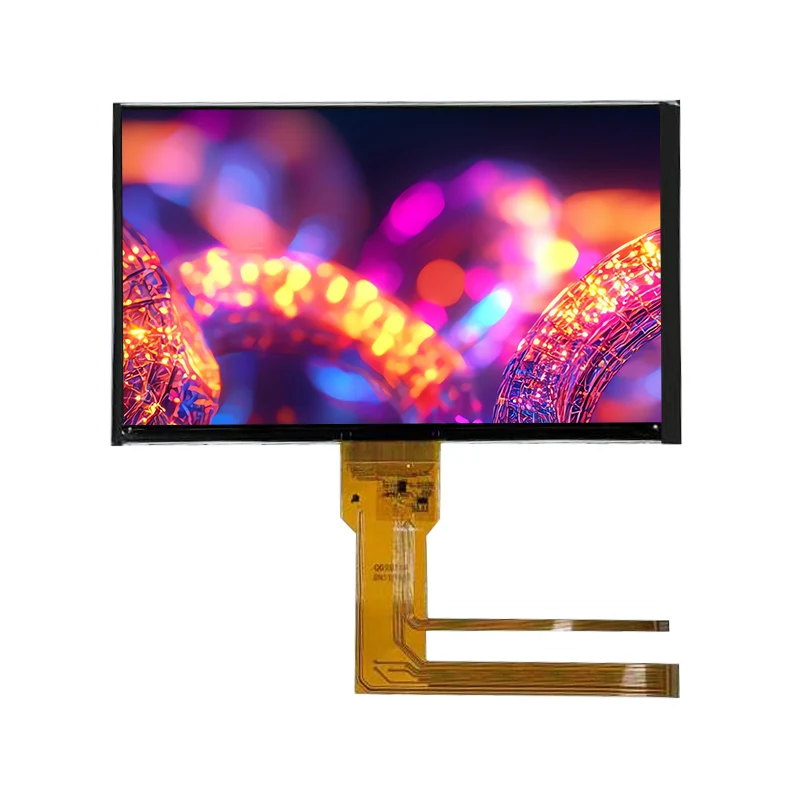
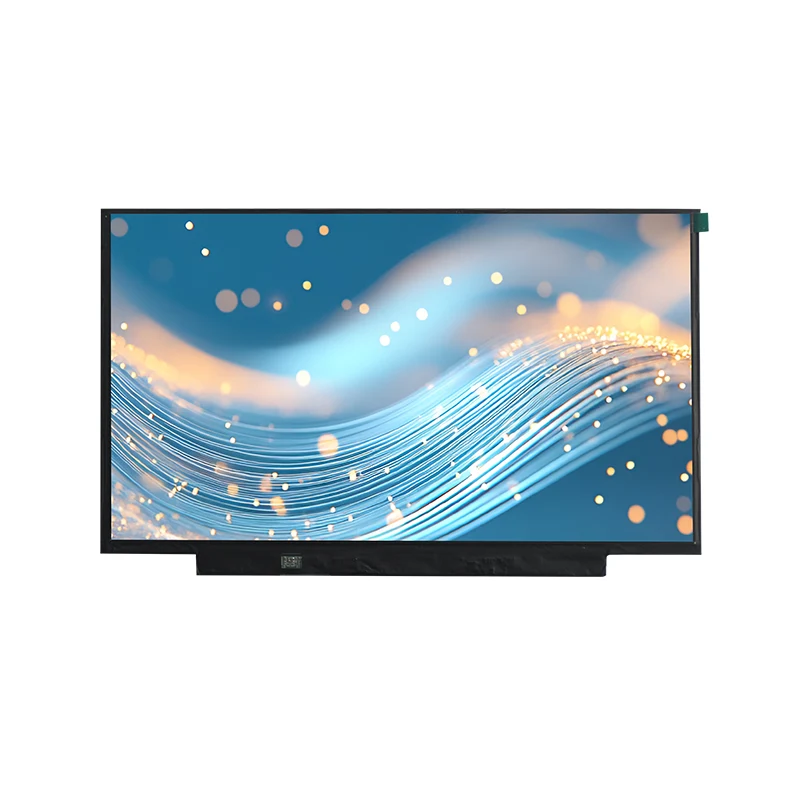
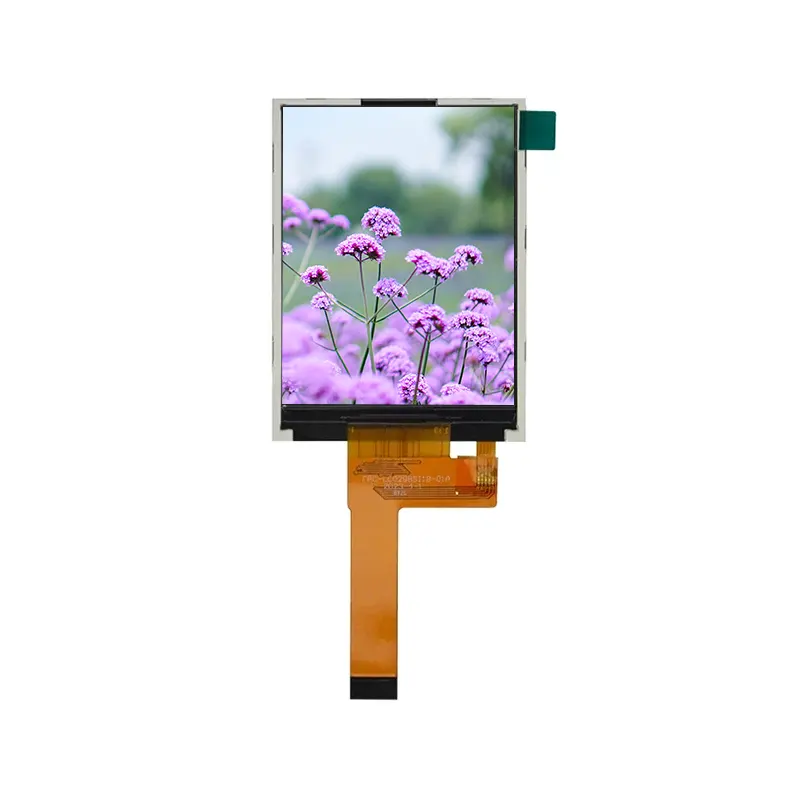
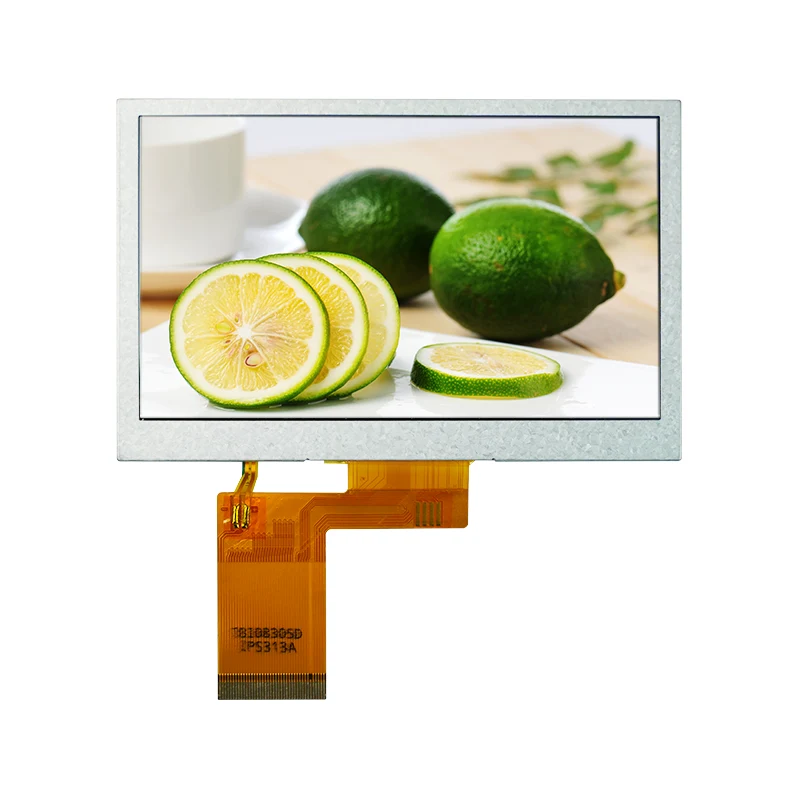
7.0 Inch Normally Black 350 Nit Thinner IPS In-cell Touch Screen Module


Table of Contents


1. Introduction to In-cell Touch Screen Technology

In-cell Touch Screens integrate the touch-sensitive layer directly within the LCD or OLED panel, allowing for thinner displays and more responsive touch input. This approach reduces parallax, improves optical clarity, and enhances the overall aesthetic of devices. The core principle is that electrodes are embedded within the display cells themselves, eliminating the need for an additional touch layer.

In-cell Touch Screens are widely used in smartphones, tablets, and other consumer electronics where screen thinness, light transmission, and touch accuracy are critical. By combining display and touch functions, manufacturers achieve improved visual performance and more compact designs, which are essential in premium and mid-range devices.


2. Technical Specifications of In-cell Touch Screens

The following table provides detailed technical specifications for a typical high-performance In-cell Touch Screen:

Parameter Specification
Display Type In-cell LCD / OLED
Touch Technology Capacitive, multi-touch (up to 10 points)
Resolution 1080 x 2400 pixels (FHD+)
Screen Size 6.1 inches - 6.8 inches
Brightness 500 nits typical, 1000 nits peak
Response Time 10ms touch response, 1ms display response
Refresh Rate 60Hz - 120Hz
Color Depth 16.7 million colors (24-bit)
Surface Coating Anti-fingerprint, scratch-resistant
Interface MIPI DSI / EDP
Operating Temperature -20°C to 60°C
Storage Temperature -30°C to 70°C

3. Common Questions About In-cell Touch Screens

Q1: How does In-cell technology differ from on-cell touch screens?

A1: In-cell touch integrates electrodes directly within the display cell itself, whereas on-cell touch places the touch sensors on top of the display layer. In-cell reduces thickness and improves optical clarity, while on-cell designs can be slightly thicker and may experience more reflection or parallax.

Q2: What are the benefits of using an In-cell Touch Screen in smartphones?

A2: The primary benefits include improved screen thinness, enhanced touch sensitivity, reduced parallax, better light transmission, and a sleeker device design. Users also experience faster response times for gestures and taps due to the integrated sensor layout.

Q3: Are In-cell Touch Screens compatible with stylus input?

A3: Yes, most modern In-cell touch panels support capacitive stylus input, but accuracy may vary depending on the digitizer technology used. Devices with higher-resolution panels typically offer better stylus precision and palm rejection features for professional applications.


The In-cell Touch Screen market continues to grow rapidly due to the increasing demand for slimmer, lighter, and higher-performance displays in consumer electronics. Major trends include:

  • Integration with OLED for flexible and foldable devices
  • Higher refresh rates and lower response times for gaming and AR/VR applications
  • Enhanced touch sensitivity and multi-finger detection
  • Adoption in laptops, tablets, and automotive displays for a seamless user experience

TF has been at the forefront of providing advanced In-cell Touch Screen solutions that cater to multiple industries, ensuring high quality and consistent performance. Their panels are optimized for clarity, responsiveness, and durability, making them a preferred choice for both manufacturers and end-users.

For more detailed inquiries and to explore how TF's In-cell Touch Screens can be integrated into your next device, contact us for professional guidance and tailored solutions.


Related News
Leave me a message
X
We use cookies to offer you a better browsing experience, analyze site traffic and personalize content. By using this site, you agree to our use of cookies. Privacy Policy
Reject Accept